On view until February 7th, 2026.
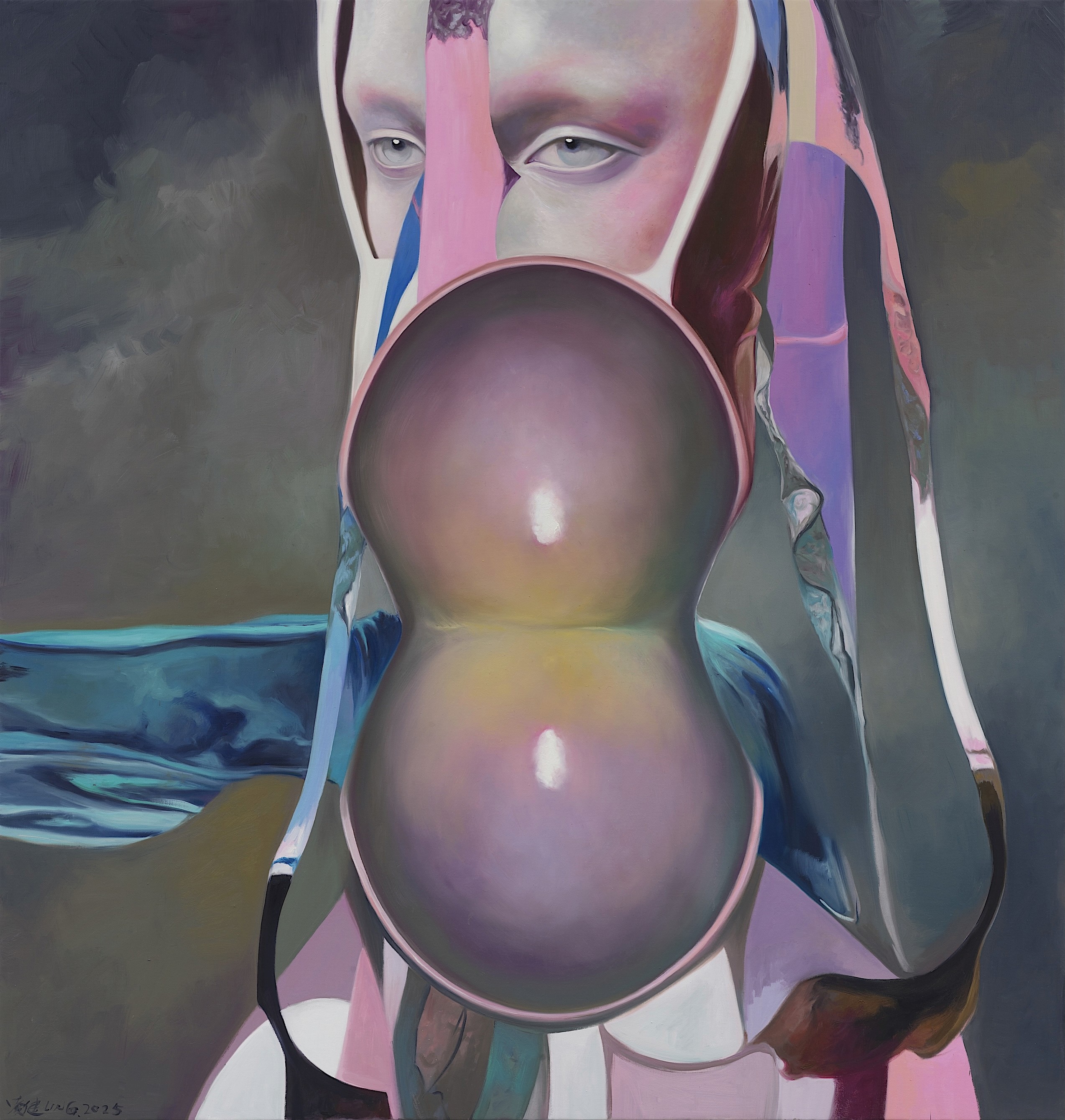
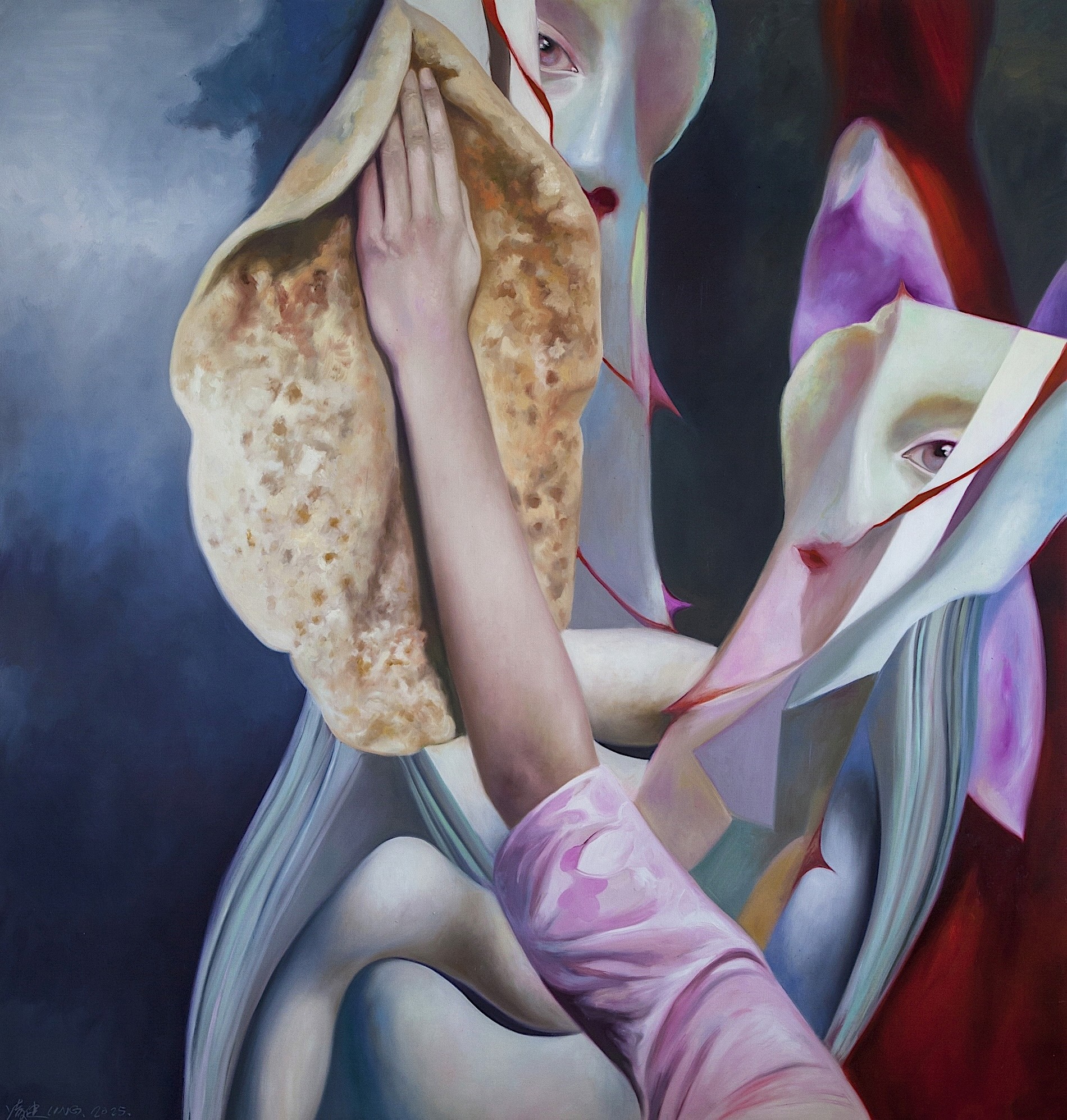
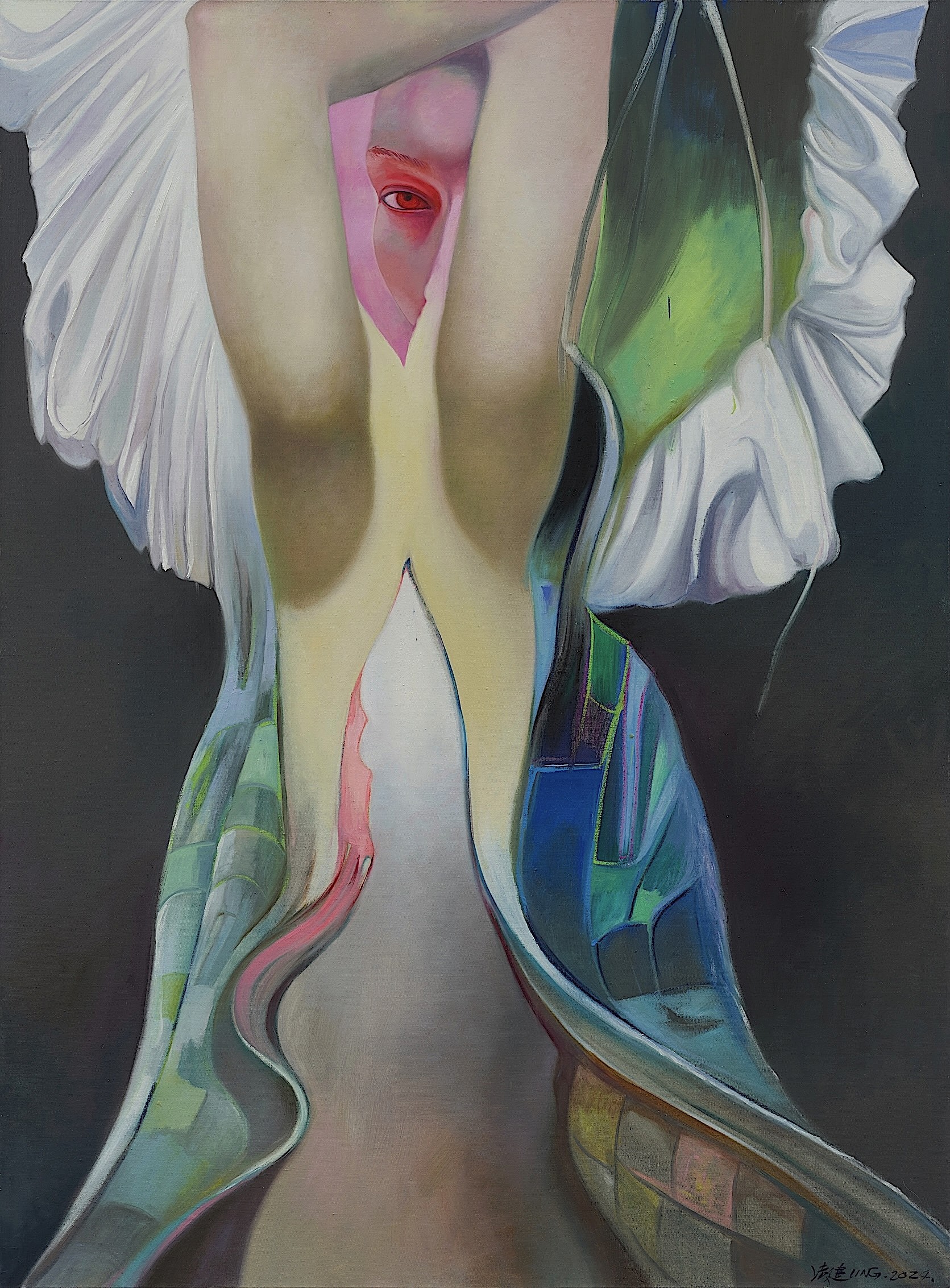
Currently on view at Eli Klein Gallery in New York City is artist Ling Jian's solo exhibition, "Between Figure and Fracture."
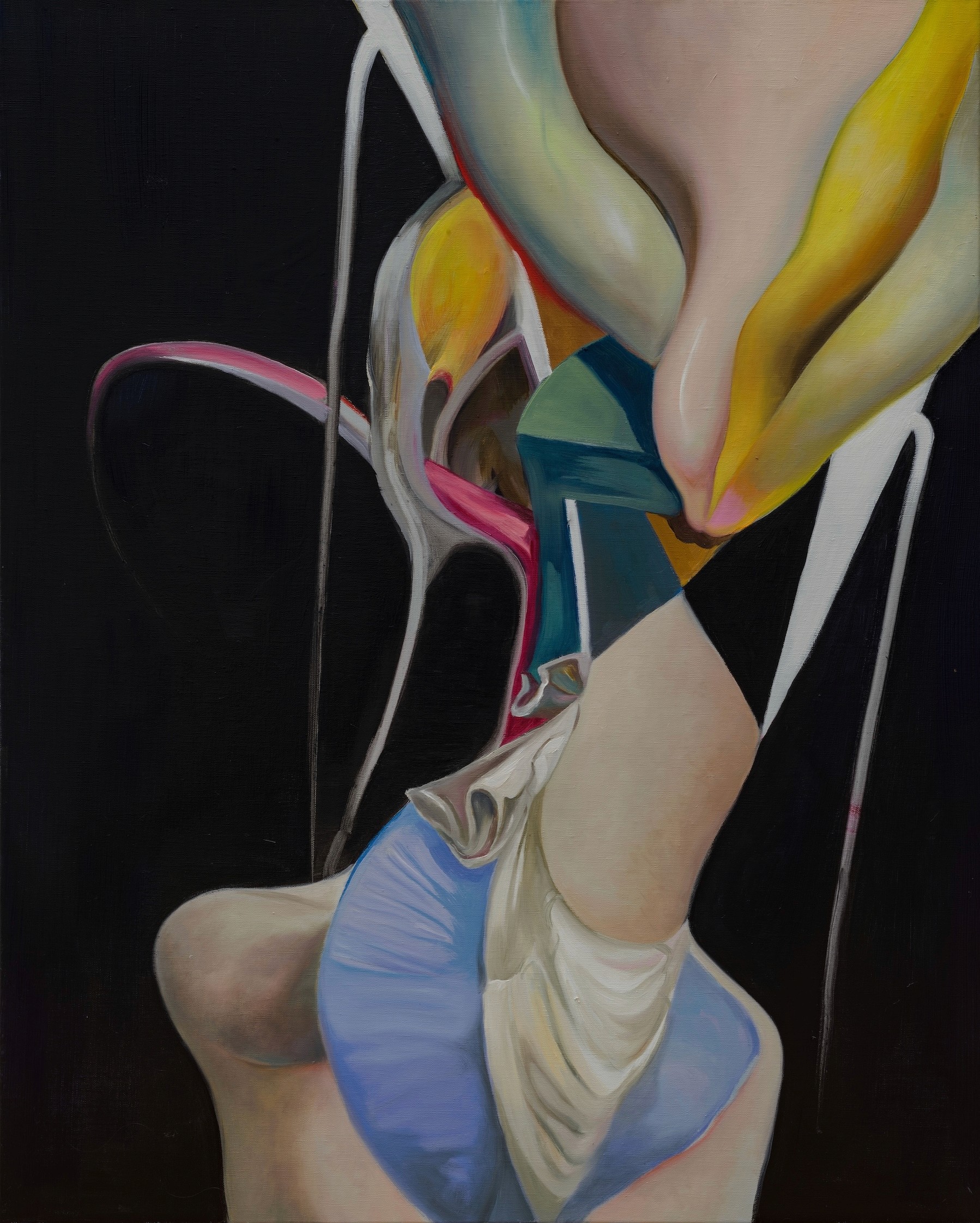
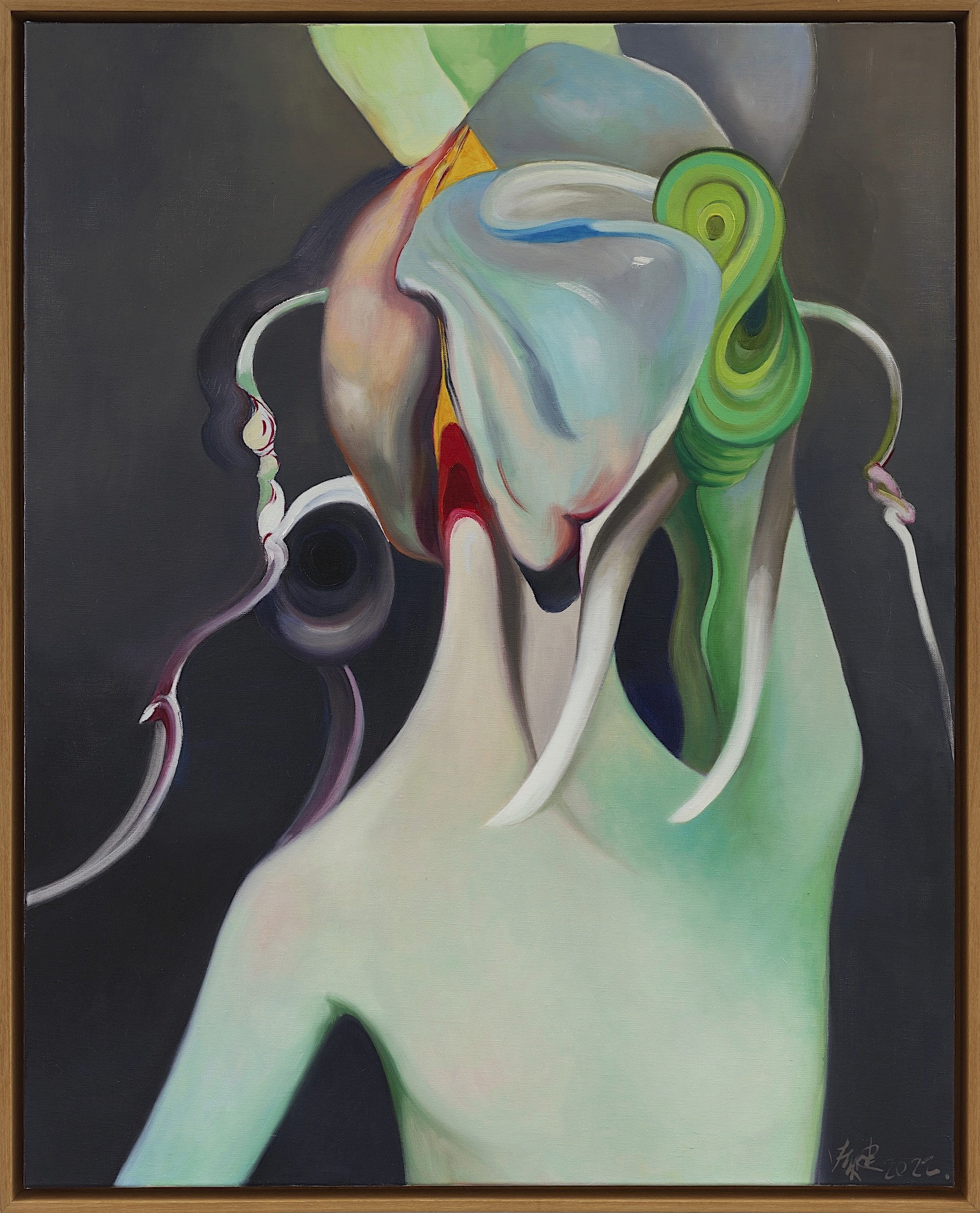
"Between Figure and Fracture" traces Ling’s ongoing inquiry into the convergence of realism and surrealism, the fragility of the human spirit, and the estrangement of our digital age.
Ling Jian is among the most technically accomplished and conceptually distinctive painters to emerge from the first internationally recognized generation of Chinese contemporary artists. Working primarily in oil on canvas, Ling combines traditional Chinese motifs with contemporary forms, using flowing blood-vessel patterns in cinnabar—a pigment symbolizing life force and spiritual energy—and precise gongbi brushwork to bridge tradition and innovation.
Ling Jian’s practice can be understood as a ritual invocation of the human spirit. Ling Jian’s paintings transform anxiety, tension, and uncertainty into a vivid visual language. On canvas, Ling Jian manifests fragmentation as well as reconstruction, allowing the surreal and the real to coexist and give rise to new virtualities.
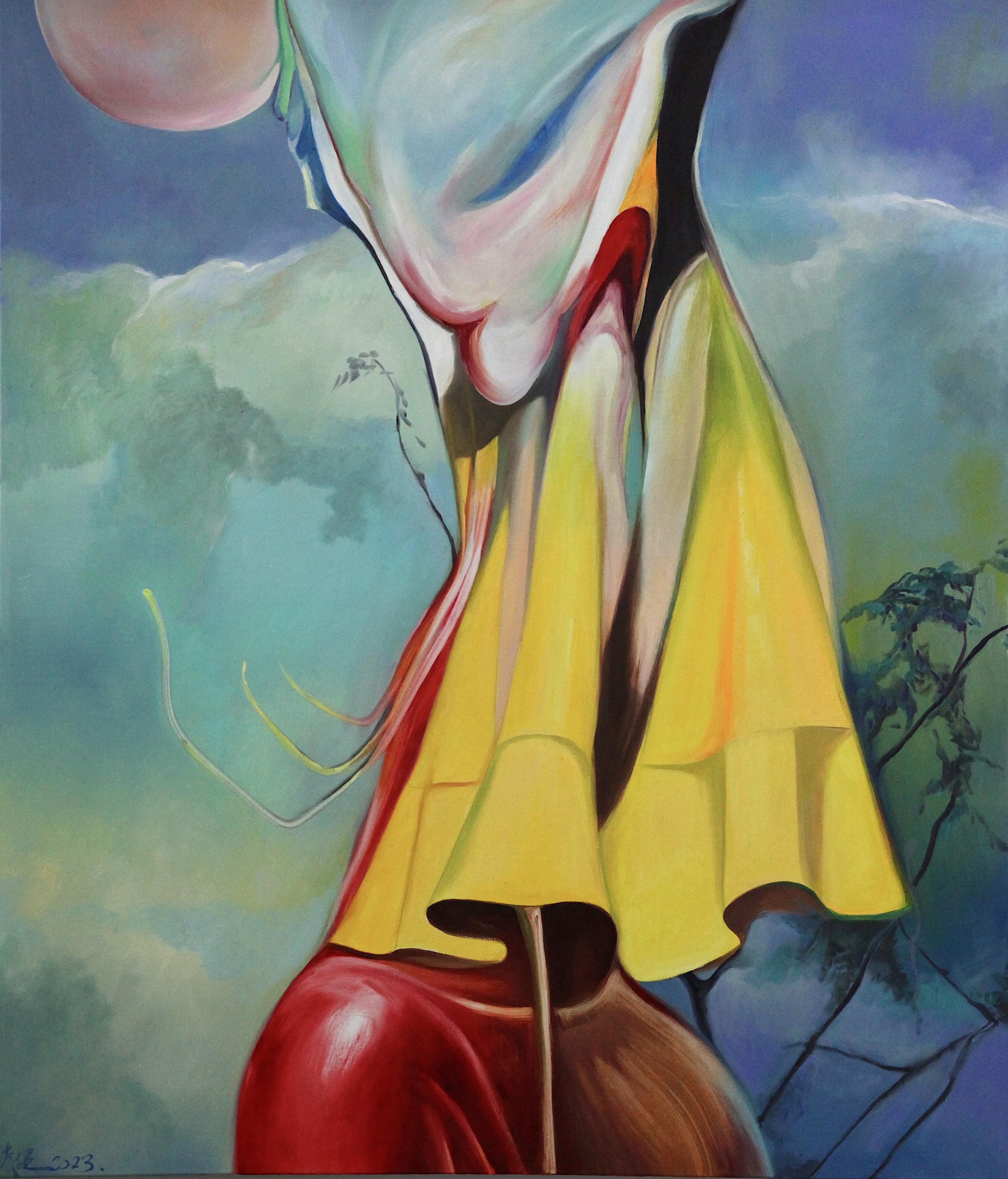
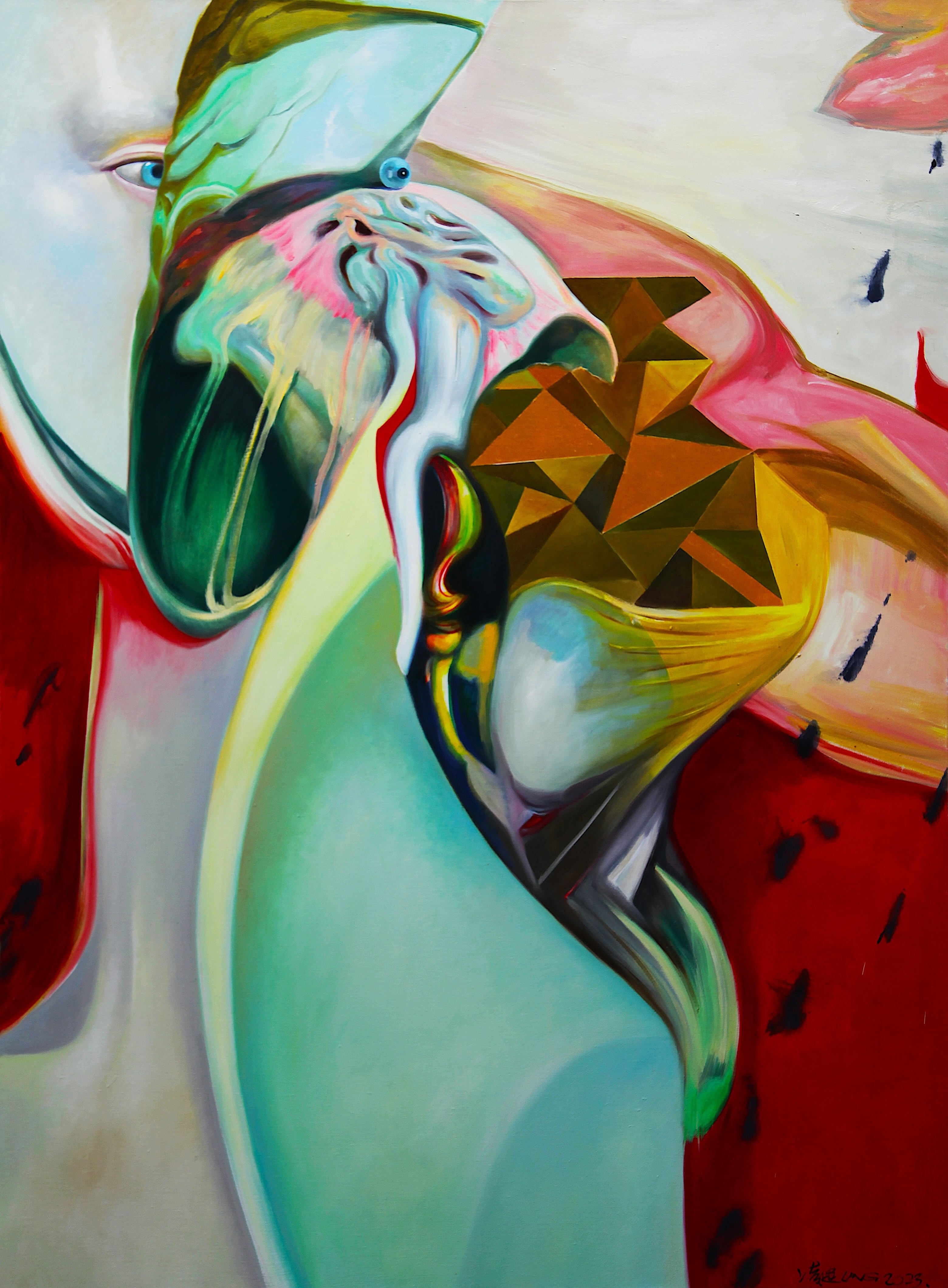
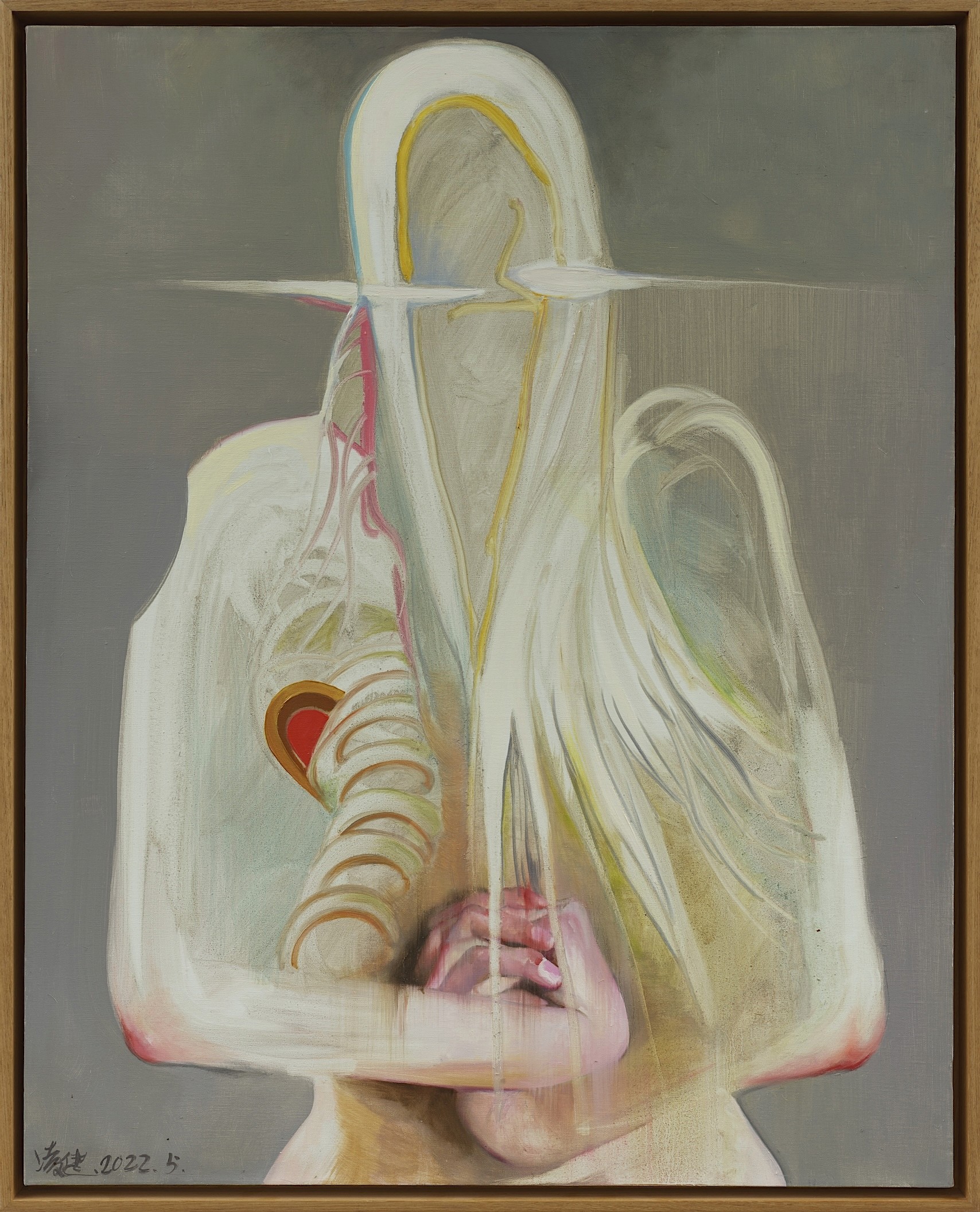
Across the works, human forms obfuscate and splinter into abstraction. In "Dry Provisions and Roses," echoes of the body refract through glass, mirroring the human relationship with digital disruptions. The series advances through "Porcelain Heart," "Frozen Tentacles," and "Fasting," as dis/figuration gives way to hybrid entities hovering between the human and the divine. In "Ivory Tower," Ling’s forms mutate between anatomy and abstraction, neither fully human nor fully alien, but suspended in a state of perpetual biological reinvention.
"Spring Shoots No.1" and "Spring Shoots No. 2" turn this meditation toward regeneration. The bamboo shoot, a symbol of vitality and spiritual endurance, emerges from darkness with surgical clarity. Its pale, luminous surface and sculptural stillness suggest post-organic mutation. Vegetation thus becomes another site for exploring transformation, echoing the bodily fragments and hybrid anatomies of Ling’s other works.
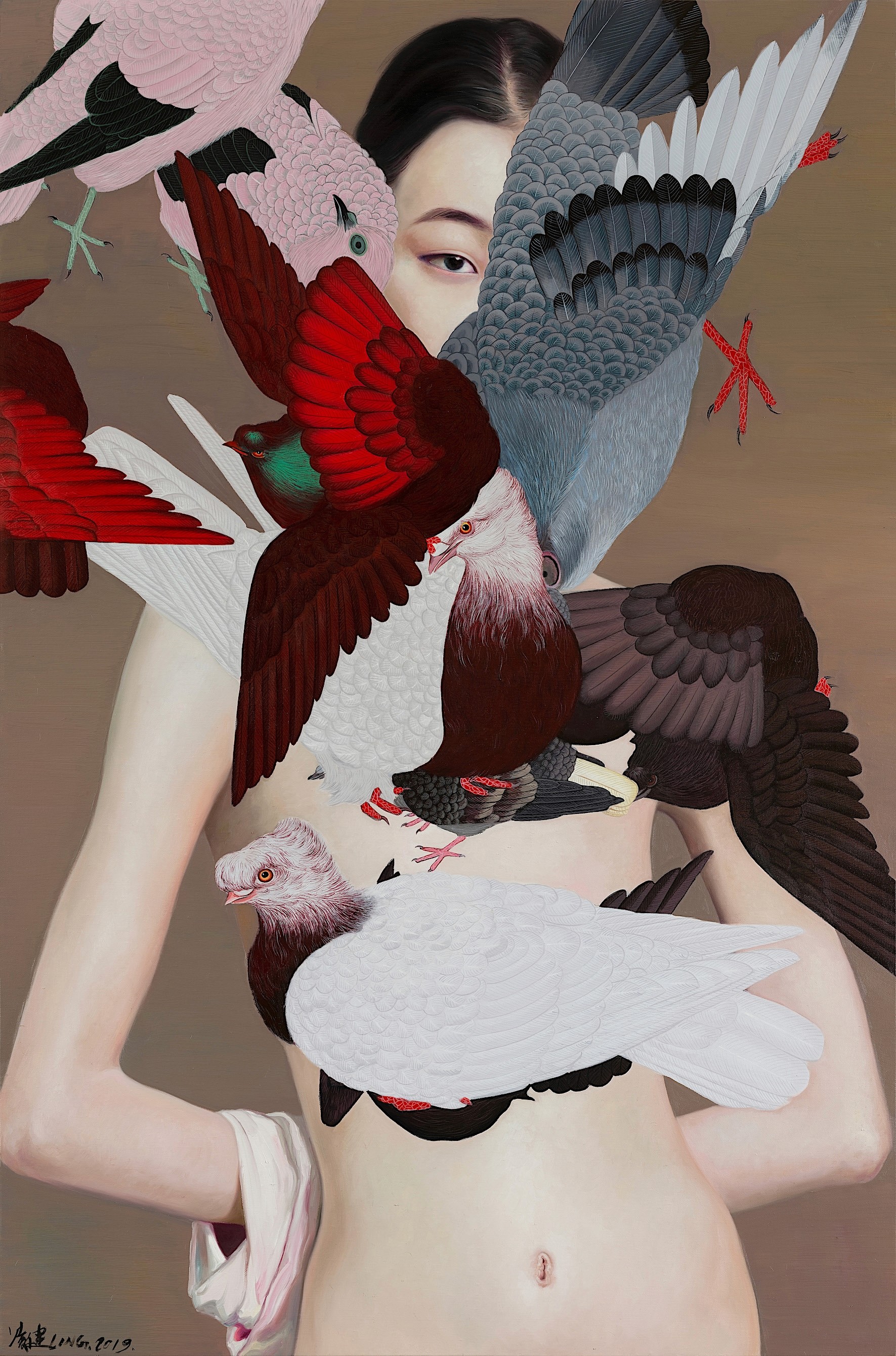
Ling Jian’s fascination with surrealism was embedded in previous hyperrealistic portraits. "Flying Gown" and "Genetic Recombination" extend Ling Jian’s exploration of beauty and mortality to the constructed image of the feminine. Merging the precision of gongbi brushwork with Western realist portraiture, these imagined women, conceived as representations of Eastern beauty, reflect a meditation on illusion and representation. In "Flying Gown," the artist overlays a woman’s body with imagery drawn from bird paintings found in the Forbidden City, both obscuring and revealing the subject; "Genetic Recombination" folds historical archetypes into a contemporary female figure, a divine transformation and the manipulation of form itself. In these portraits, Ling turns the female body into a vessel for reflection on identity and illusion.
SHARE THIS ARTICLE
Previous Post:
Next Post: