BY
Supersonic Art

There are seemingly an infinite amount of art books in the world, but there are only a handful that truly earn a permanent place in the studio. The titles in the list below are more than just instructional guides or sources of inspiration. They are personal and trusted companions, the kind of books artists return to again and again for clarity, direction, and renewed momentum. Whether focused on drawing, painting, color, or the creative mindset itself, each of these time tested resources offers hard-won insight from masters who have spent a lifetime refining their craft.
(We earn a small commission if you purchase a few of the books below).
Enjoy!

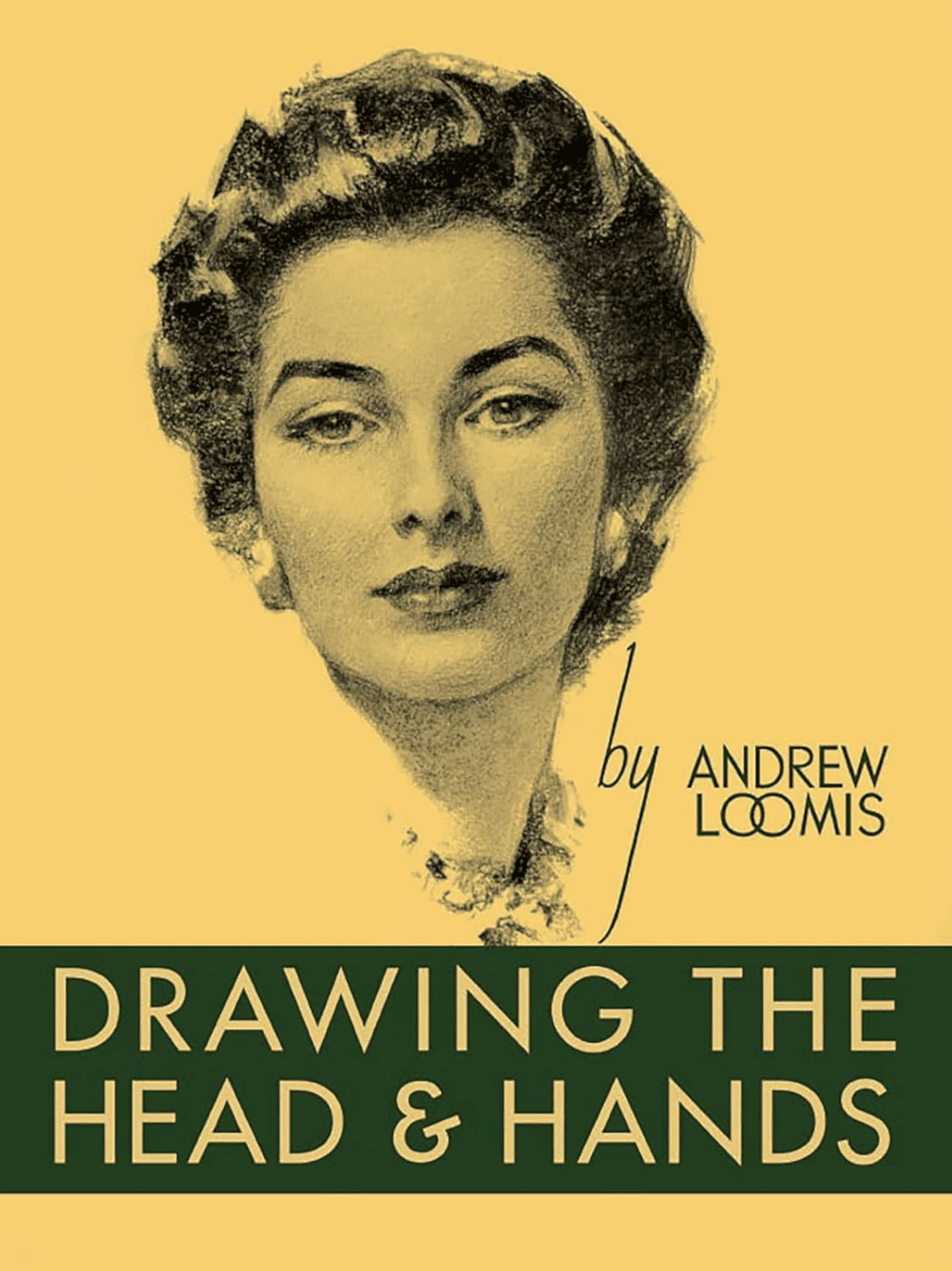
Andrew Loomis's "Drawing the Head & Hands."
By a wide margin, Andrew Loomis’s Drawing the Head & Hands remains one of the most authoritative guides ever written on two of the most challenging subjects in art. Loomis's method at constructing the head, one that is often misunderstood or poorly taught elsewhere (Especially YouTube), is unbeatable. Drawing the Head & Hands is essential, and a book that belongs on every serious artist’s shelf.
Get it for free on Supersonic Art's Forums.
The Artist's Handbook by Ralph Mayer.
Few books rival The Artist’s Handbook as a comprehensive resource for artists. Even more than 80 years after its original publication, it remains an unparalleled compendium of essential knowledge—covering everything from materials and techniques to processes that artists rely on daily. It’s the kind of reference you’ll return to again and again, a cornerstone volume that earns its place on any serious artist’s shelf.
Add it to your bookshelf.
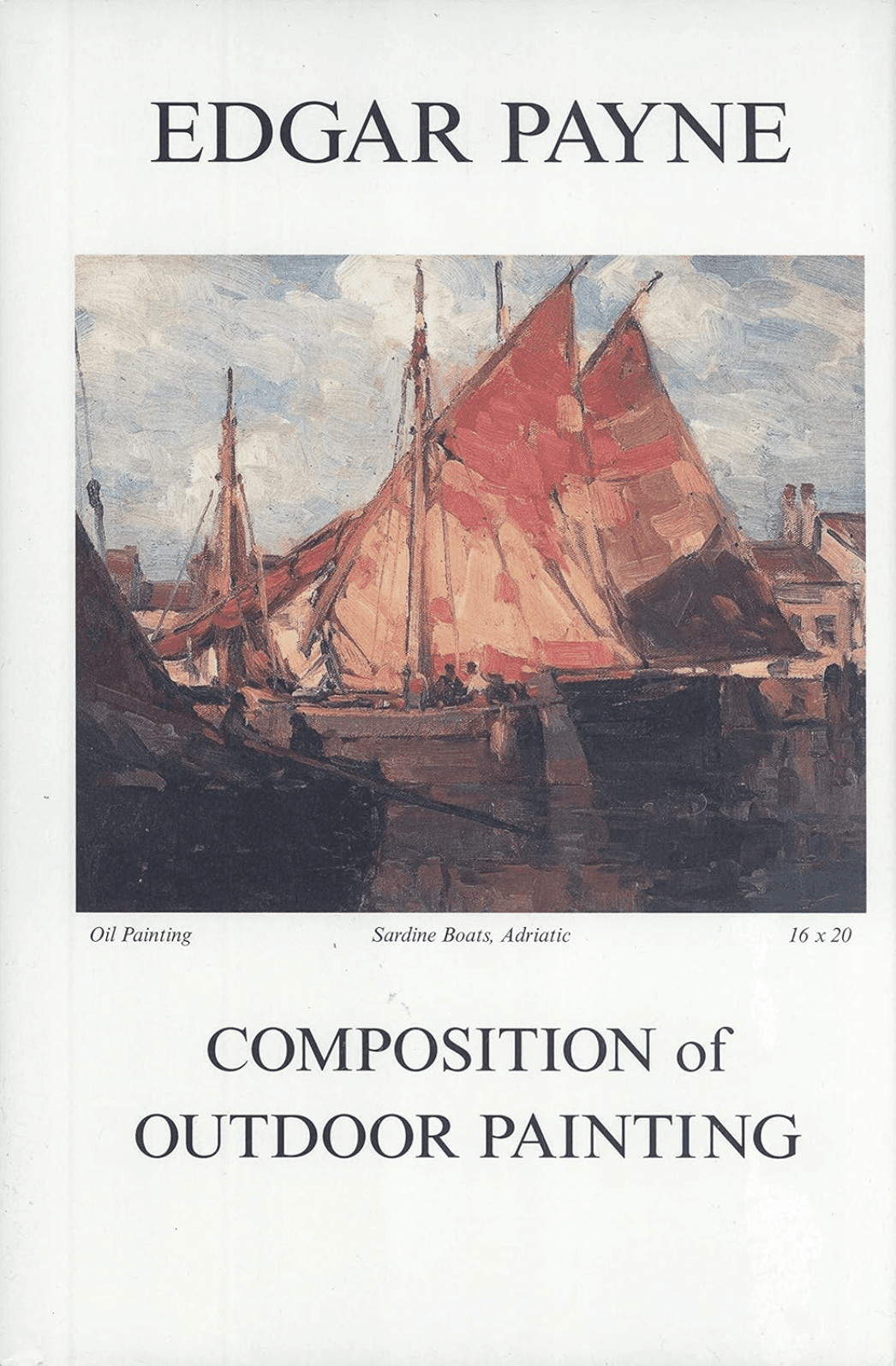
Edgar Payne's Composition of Outdoor Painting.
First published in 1941, Composition of Outdoor Painting by Edgar Payne remains one of the most revered guides to pictorial design ever written. In its pages, Payne distills the complexities of composition into clear, practical ideas, illustrating how to organize shapes, values, and movement to create compelling paintings. Using both masterworks from art history and his own field sketches, he reveals the underlying structure that gives a painting strength and harmony. More than a technical manual, it’s a timeless study of how great paintings are built—making it an indispensable addition to any serious artist’s bookshelf.
Add it to your bookshelf.
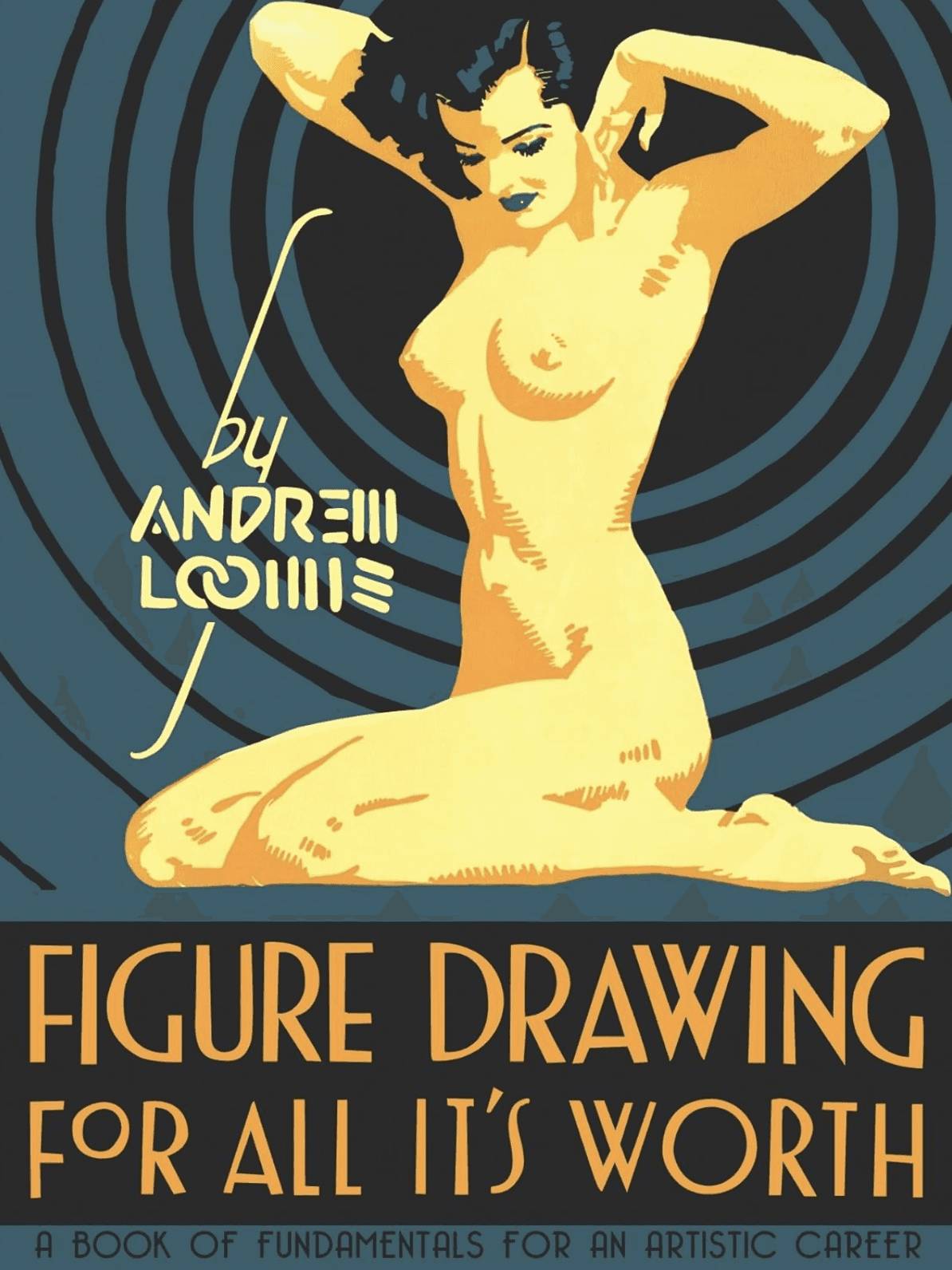
Andrew Loomins's "Figure Drawing for All It's Worth."
A masterclass in the fundamentals of the human figure, Figure Drawing for All It’s Worth stands as one of Andrew Loomis’s most enduring contributions to art instruction. With clarity and precision, Loomis breaks down complex anatomy and proportion into an accessible, logical system that has guided generations of artists. Decades after its publication, it remains as relevant and instructive as ever, setting the standard for figure drawing education.
Get it for free on Supersonic Art's Forums.
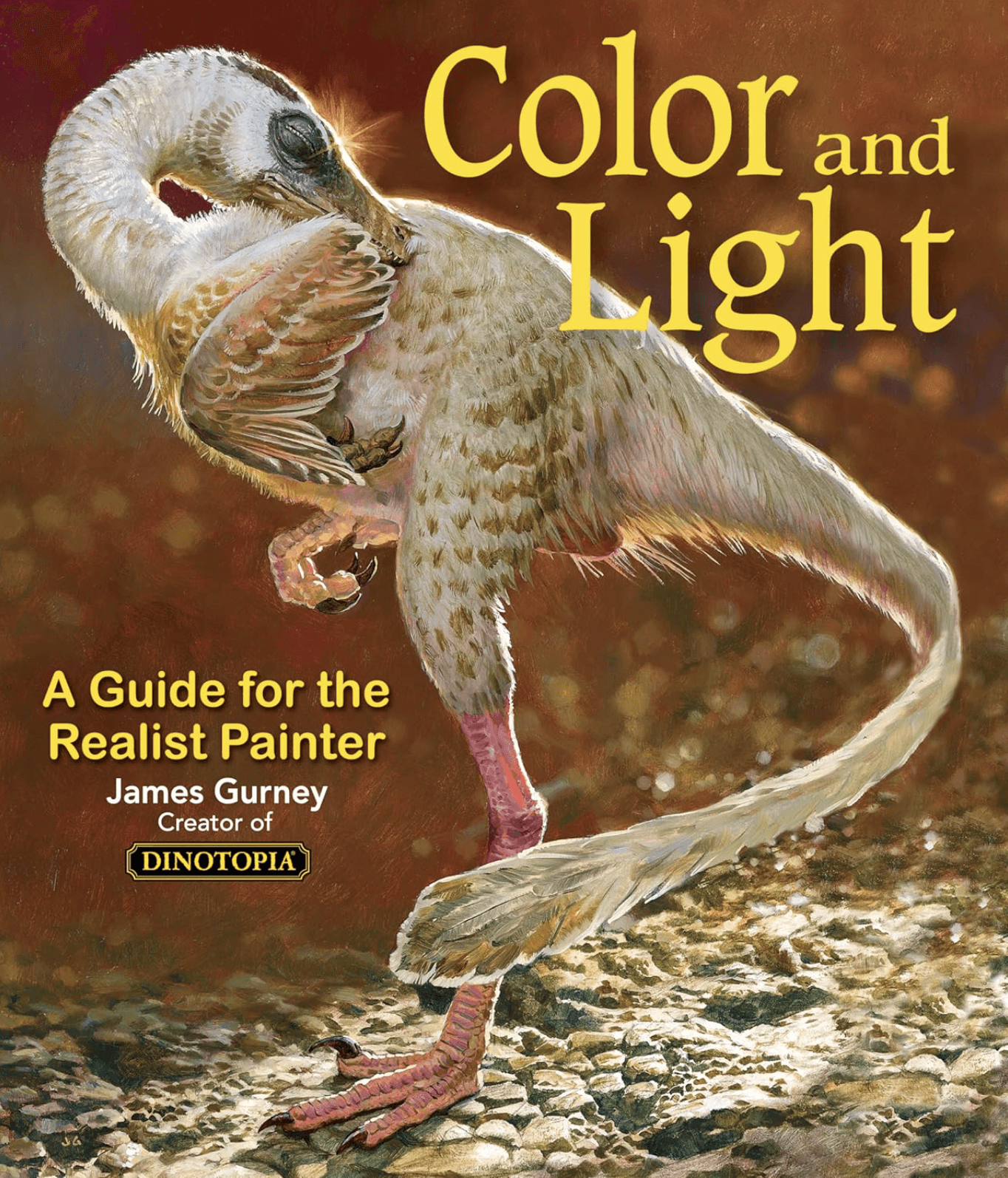
James Gurney's "Color & Light."
An indispensable reference that I return to constantly for my own work, James Gurney’s Color & Light stands as one of the most insightful and practical guides to understanding how these elements truly function in painting. Gurney bridges the gap between theory and observation, breaking down complex ideas into clear, usable principles that artists can immediately apply to their work. He explores how light defines form, how color behaves in different conditions, and how atmosphere transforms a scene—always grounding his explanations in both science and real-world experience. Accessible to beginners yet rich enough for seasoned painters, it’s equally valuable as a teaching tool, making it an essential volume for artists and educators alike.
Add it to your bookshelf.
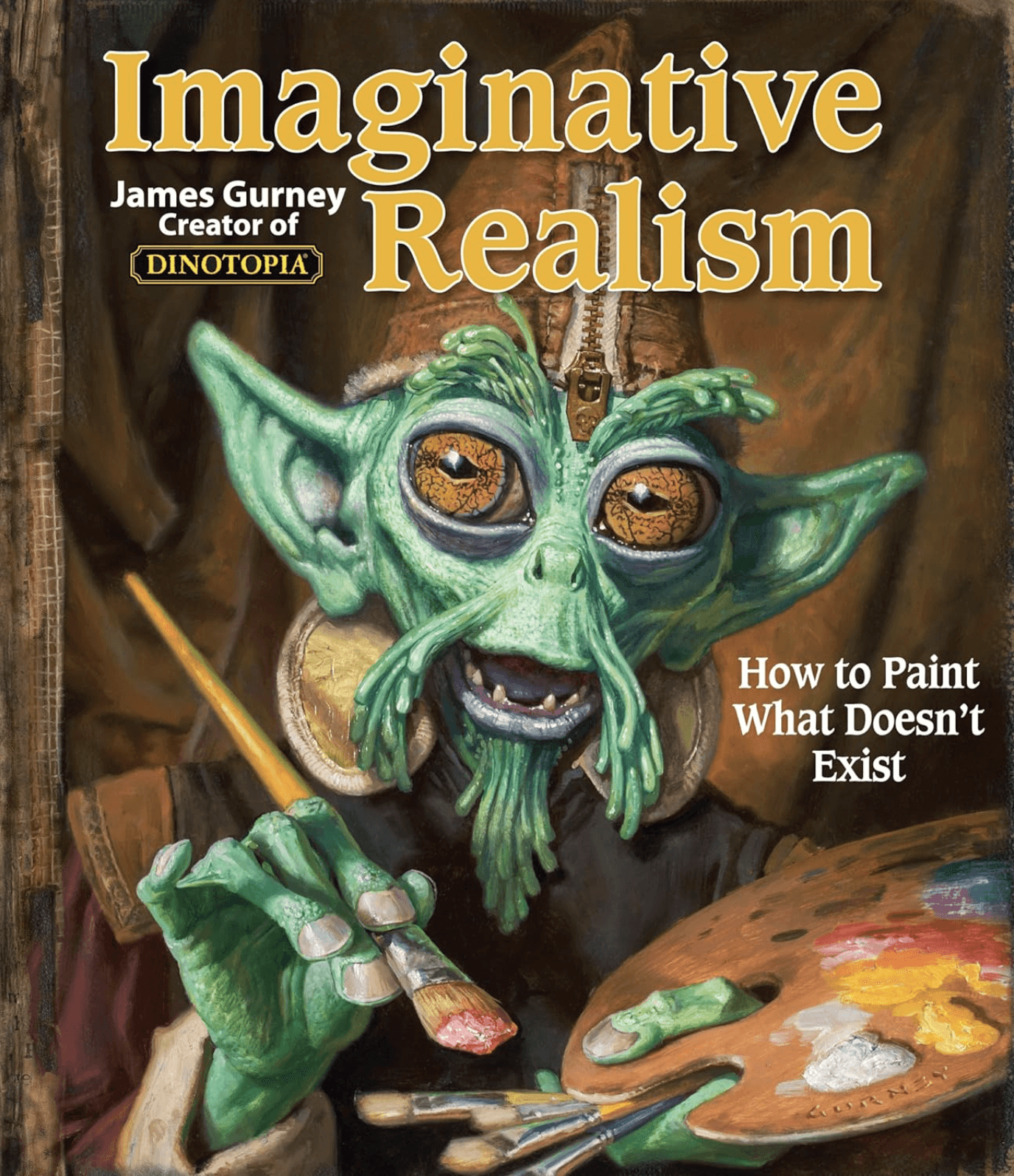
James Gurney's "Imaginative Realism"
Speaking of James Gurney, his book Imaginative Realism stands as an essential addition to any artist’s library. In this richly insightful volume, Gurney reveals how to convincingly bring invented worlds to life, blending imagination with the principles of realism. He explores everything from visual development and reference gathering to lighting, color, and storytelling that lays out a practical roadmap for creating believable, original imagery. Whether you’re a painter, illustrator, or concept artist, it’s an indispensable guide for turning ideas into fully realized worlds.
Add it to your bookshelf.
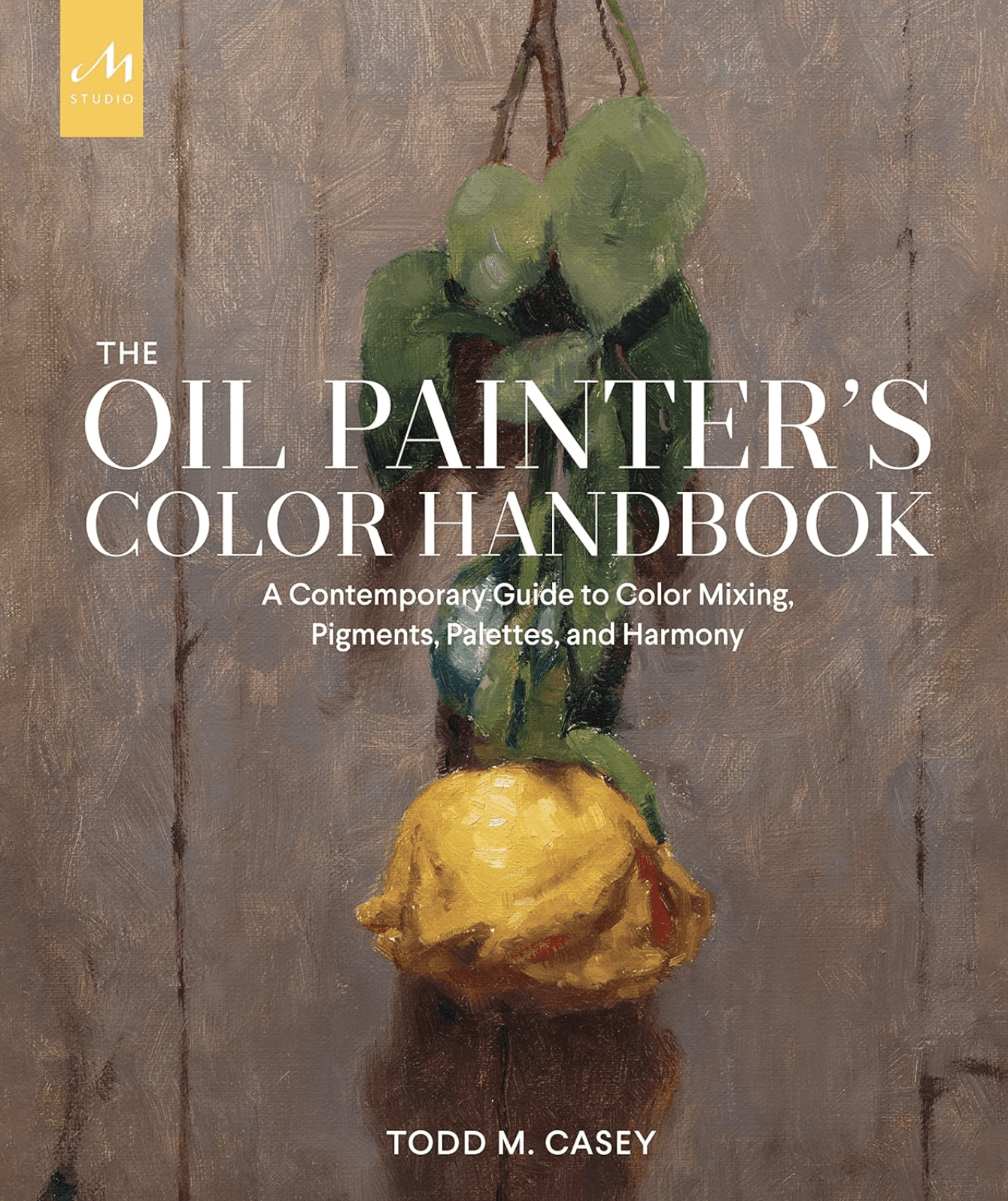
Todd M. Casey's "The Oil Painter's Color Handbook"
My personally favorite book on color, The Oil Painter’s Color Handbook by Todd M. Casey delivers the kind of practical knowledge every artist should encounter early and return to often. Casey breaks down the complexities of color into clear, usable concepts, examining it through the lenses of light, value, pigment, mixing strategies, palette organization, and technique. Each idea is presented with clarity and purpose, supported by diagrams, charts, and beautifully executed paintings that reinforce the lessons. By the end, readers gain not only a working understanding of color, but also a deeper appreciation of how artists have harnessed it throughout history.
Add it to your bookshelf.
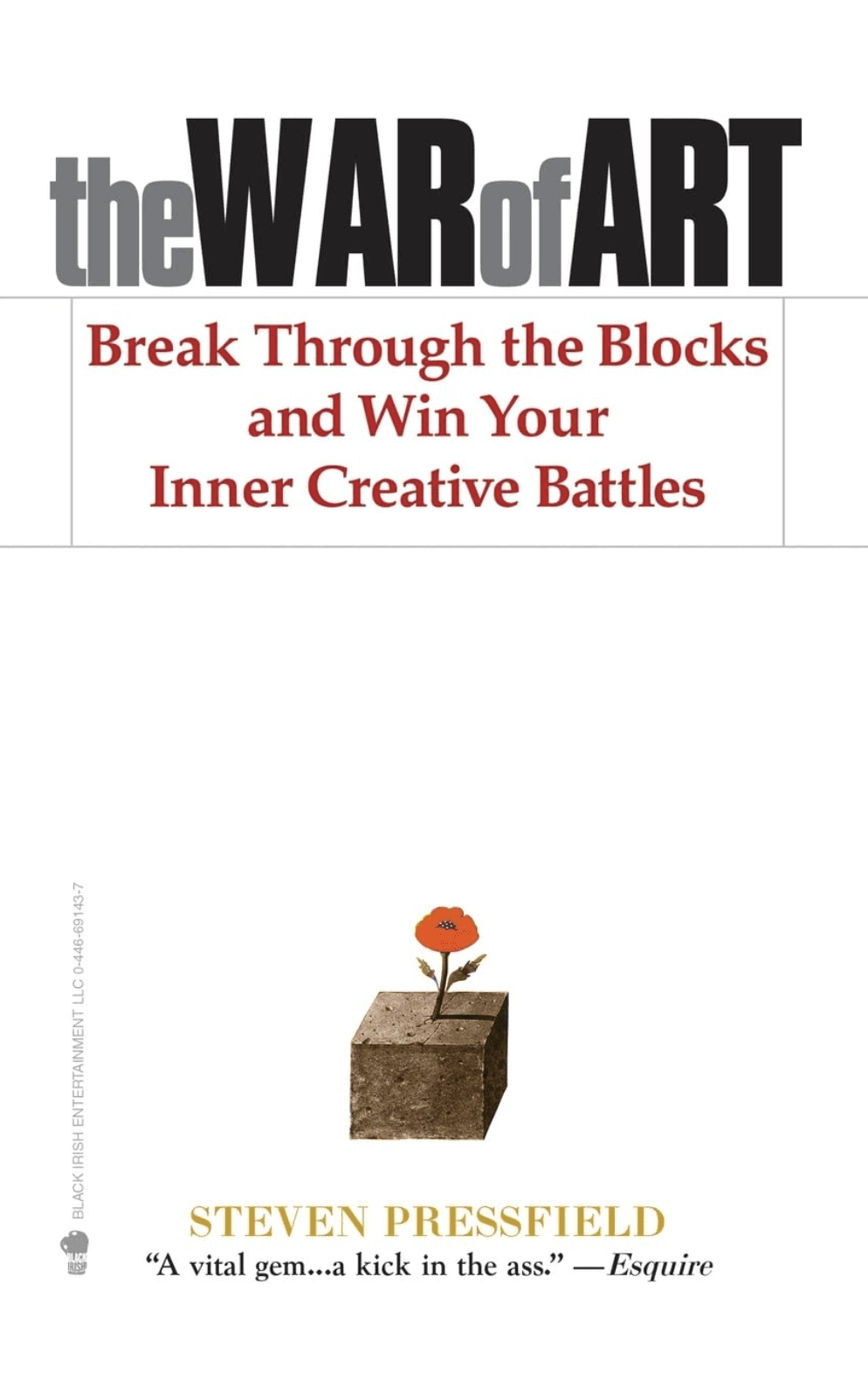
Steven Pressfield's "The War of Art"
A life changing book on overcoming obstacles and developing discipline, The War of Art by Steven Pressfield speaks directly to the struggles every artist will face in creation. Pressfield identifies the invisible forces that block creative work and treat them as a real opponent, something to be understood, confronted, and ultimately defeated. With succinct clarity, he lays out a mindset built on discipline, professionalism, and daily commitment to the work. It is concise, direct, and surprisingly hard-hitting, offering artists a way to push through hesitation and take their practice seriously. A small book with lasting impact, it earns an incredibly important place on any artist’s shelf.
Add it to your bookshelf.
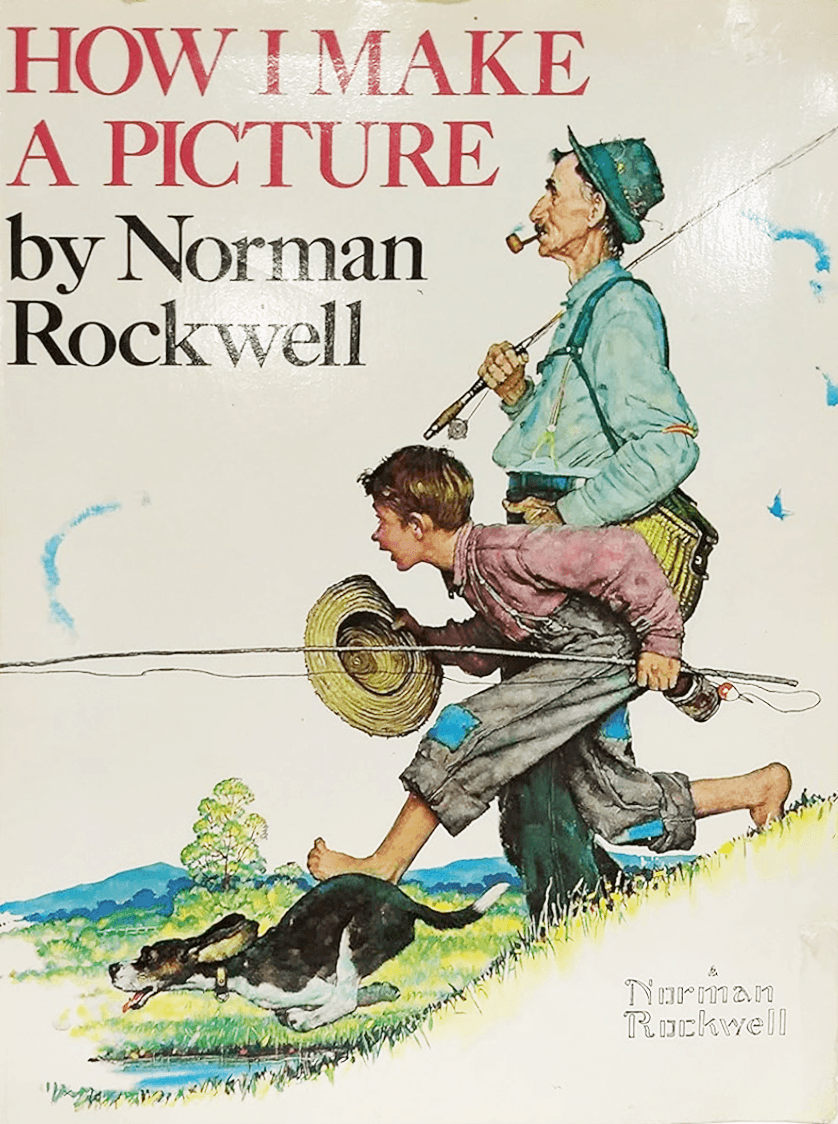
Norman Rockwell's "How I Make A Picture"
Long out of print and increasingly difficult to find, Norman Rockwell’s How I Make a Picture feels almost like a long hidden treasure chest full of artist secrets. In its pages, Rockwell walks the reader through his entire creative process in exceptional detail, retracing each step from the first spark of an idea to the finished painting. He reveals how he searched for the right models, built scenes with carefully chosen props and costumes, and refined every detail to achieve his iconic images. It offers a remarkably intimate look at the working methods behind some of the most recognizable paintings in American art.
Find a used copy to add to your bookshelf.

Seok Jeonghyeon's "Stonehouse's Anatomy Note"
A vibrant and contemporary take on artistic anatomy, Stonehouse’s Anatomy Note by Seok Jeonghyeon offers a fresh and deeply engaging approach to understanding the human form. Created by one of Korea’s most respected figure drawing instructors, this expansive 660 page volume brings together over 1,500 meticulously drawn illustrations developed over a decade. It balances clarity with depth, making complex anatomical structures both approachable and visually compelling. Widely regarded as a standout in modern art education, it is an essential resource for artists and illustrators looking to strengthen their understanding of the figure. (Please note the book is written completely in Korean, but the illustrated examples are so well thought out that no translation is needed.)
Add it to your bookshelf.
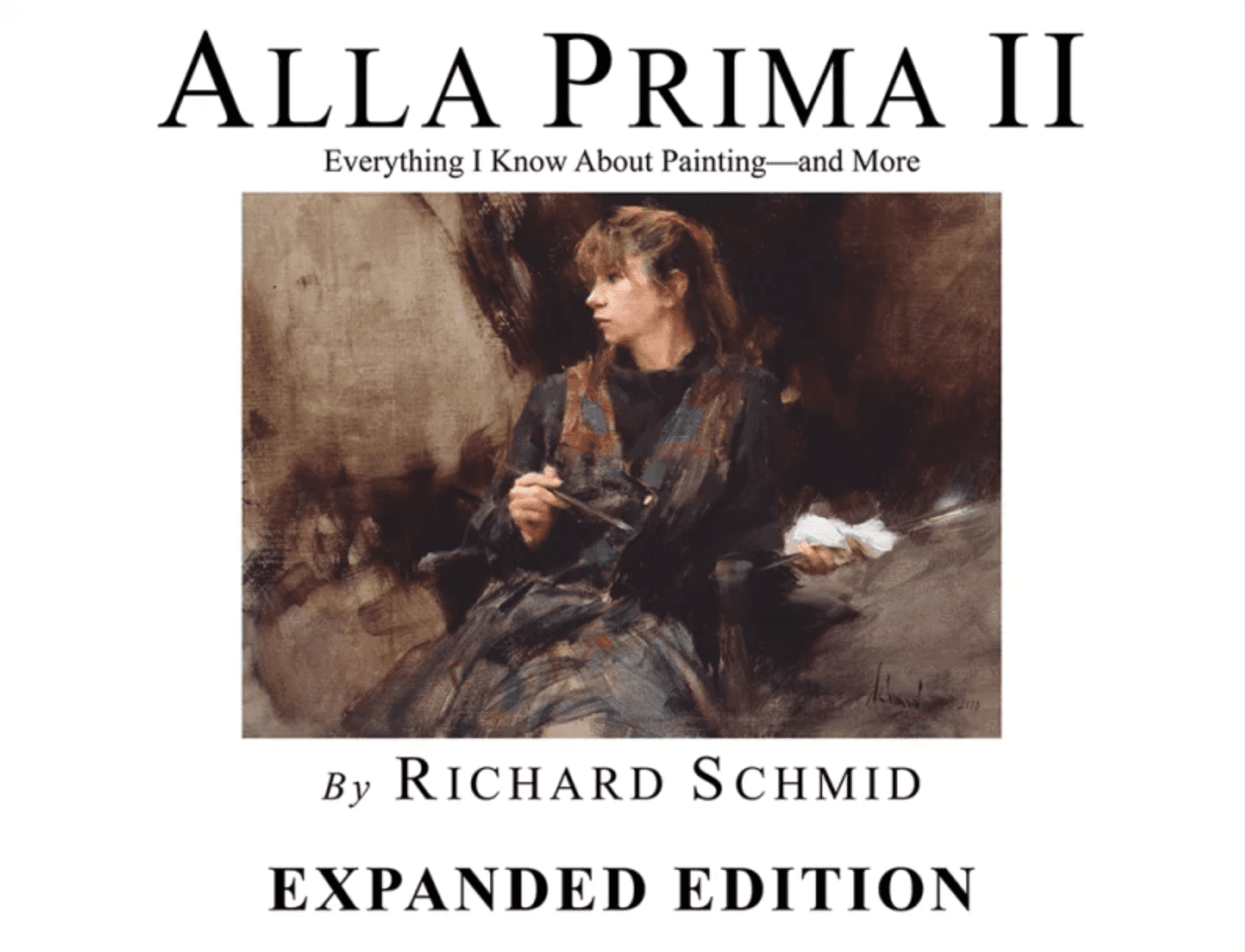
Richard Schmid's "Alla Prima II"
Widely regarded as one of the definitive books on painting, Richard Schmid’s Alla Prima II is a remarkable distillation of a lifetime of artistic knowledge. Schmid shares not only his philosophy of painting from life, but also the practical methods that underpin his work, guiding the reader through process, observation, and decision-making with clarity and authority. The book is rich with step by step demonstrations and diagrams that make complex ideas feel accessible, but its most extraordinary contribution may be its instructions for color charts which offer the artist a profound education once developed, revealing how subtle shifts in hue, value, and temperature can be organized and understood with precision. It is both an instructional guide and a masterclass, making it an essential volume for any serious painter.
Copies from Amazon and, specifically, PaintTube.tv are so overpriced it hurts, especially since you can still find it straight from Richard Schmid's estate on his website:
Add it to your bookshelf.
What are your favorite art books? Let us know on Supersonic Art's Forums!
SHARE THIS ARTICLE
Previous Post: