BY
Supersonic Art

To say I’m just merely compelled to the work of artist Eric Nash, as a creature in the night might be drawn to the lonesome glow of gas station fluorescents in one of his nocturnes, is a definitive understatement. I feel I was destined to his work and now having witnessed it, it seems necessary to my understanding of the world: a reference point of monumental artistry.
What he creates is not some wild invention that mystifies our visual cortexes. No. He is revealing what we’ve already been witness to in sublime artistic achievements.
I first featured Eric on Supersonic Art in October 2013, the day before Halloween. In the decade plus that I’ve been following his work through incredible exhibitions at J. Willott, KP Projects, Skidmore Contemporary, George Billis, and others; his Social Media, and, also, his participation in Supersonic Art’s own exhibitions, I’ve been incredibly lucky to become friends with and get to know the man behind the artist. And so it was an absolute pleasure and honor to interview Eric in detail about his life, artworks, and their meanings.
In our conversation he traces for us, from the flat prairies of Illinois to the deserts of Southern California, the experiences, influences, and observations that have culminated in one of the most compelling visual oeuvres of Western fine art I’ve been witness to. Enjoy.
Tell us a bit about your early life, early artistic introductions, and interests?
I was born in Champaign-Urbana, Illinois, a university town south of Chicago on the flat prairie. My interest in art started early. I was a super shy and awkward kid who gained confidence and focus by attending community-sponsored art classes. I loved drawing, and it gave me purpose and helped me stand out. It also gave me protection from bullying, provided by a large kid no one messed with named Harold, who would say to anyone harassing me, "Leave Nash alone; he can draw."
I'd spend hours alone in the school and public library looking at art books. I was fascinated early on with photorealism, which was emerging in the 1970s.
The Art Institute of Chicago and its world-class art collection was a huge inspiration. Edward Hopper's "Nighthawks" in particular really struck me, especially as a loner kid. Then in high school, I took a couple of art classes at the local junior college, where an art professor named Don Lake taught me photorealistic techniques and inspired my artistic journey.
In a few of our prior conversations, you've mentioned road trips with your family when you were younger. Could you tell us a bit about those and how they have informed you as an artist?
My mom loved to travel and be on the road. For me, it was a place of peace, freedom, and escape, and the hours spent in the car driving all over the country made me look for interesting objects and moments. Later in college, I would simply get in my car and drive with no destination in mind to see what I could find — forlorn downtowns that reminded me of Edward Hopper, or old signs, or lonely gas stations all stood out to me. I think the anonymity and loneliness of the open road appealed to me and took me out of myself and into the world.
Who were some of the early Photorealists who most influenced you? What was it that made their work so captivating to you?
Funny enough, I don't consider myself to be a photorealist but rather an artist who uses those techniques to express an idea. True photorealists tend to include every tiny detail and replicate a photo, whereas I edit and clean things up for a more graphic image. I was captivated early on by the classic pioneer 1970s Photorealist painters such as Richard Estes, Chuck Close, Audrey Flack, Ralph Goings, Robert Bechtle, John Baeder, and Duane Hanson. I loved the magic of it — recreating reality as it is — a form of accurate documentation. What was interesting was how, if you looked up close at these paintings, they were actually quite abstract. Just shapes and colors, but when you step back, they come together and create the illusion of a photo. As a kid who struggled, I think mastering these techniques gave me a sense of control and power. And I always had a fascination with reality as it is and the beauty within.
What was your time like as an advertising art director?
After graduating from the University of Illinois, I worked briefly as a graphic designer but hated it. I yearned to return to painting. I just didn't have the time, ability, or knowledge to make it happen. I was broke, so I said to myself, "How can I make some bank?" Advertising was it. In my short but fruitful career, I ended up as a Vice President and Creative Director at Leo Burnett and Foote, Cone, and Belding — two big global ad agencies. It taught me the value of direct visual simplicity, connecting to an audience, iconic imagery, and business. It made me a professional in ways that I lacked in my younger years. It was high stress, but a lot of fun, and it paid well. Due to my stint in advertising, which many artists do, from Warhol to Hopper to Ruscha, I was able to relaunch an artistic career on more stable and focused ground.
How did you end up in Southern California?
I have California family on both sides, and my mom grew up partially in San Luis Obispo. She had a very California attitude. So when I started going out to California on advertising production shoots, I just felt at home. It was the culture of "yes," whereas the Midwest was so often the culture of "no." As in, "We don't do it that way" or "You can't make a living as an artist." In California, I felt a sense of possibility and opportunity. The open-minded people, the light, the weather, and the visual environment made me reborn as an artist. You are who you are right then and there. No one cares about elite school backgrounds or fancy resumes, but rather what talent you can bring to the table right now. Say what you will about California, but there's no substitute. And Californians buy art!
How does your early work compare to your current work? Have you always focused on iconic imagery in your work?
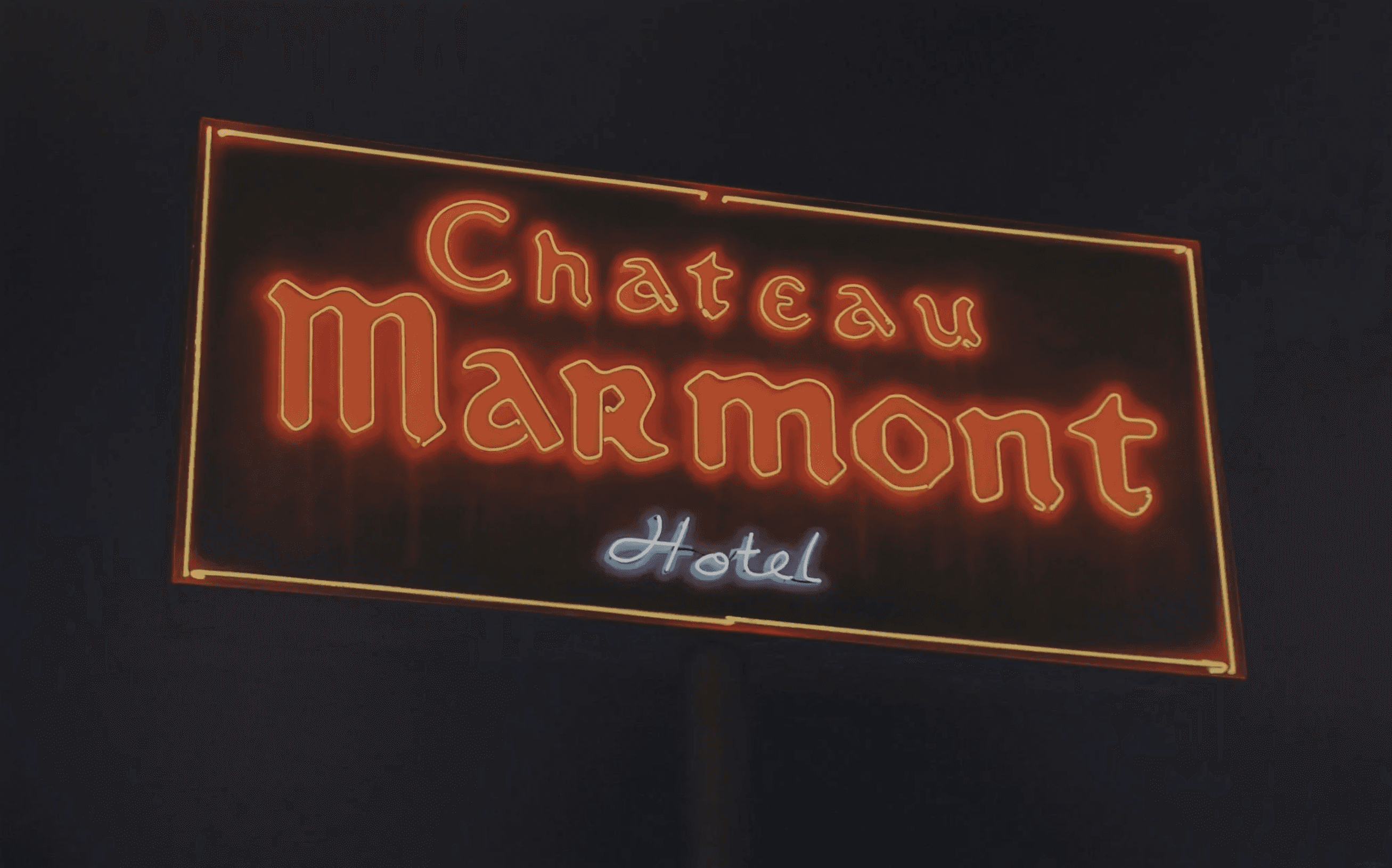
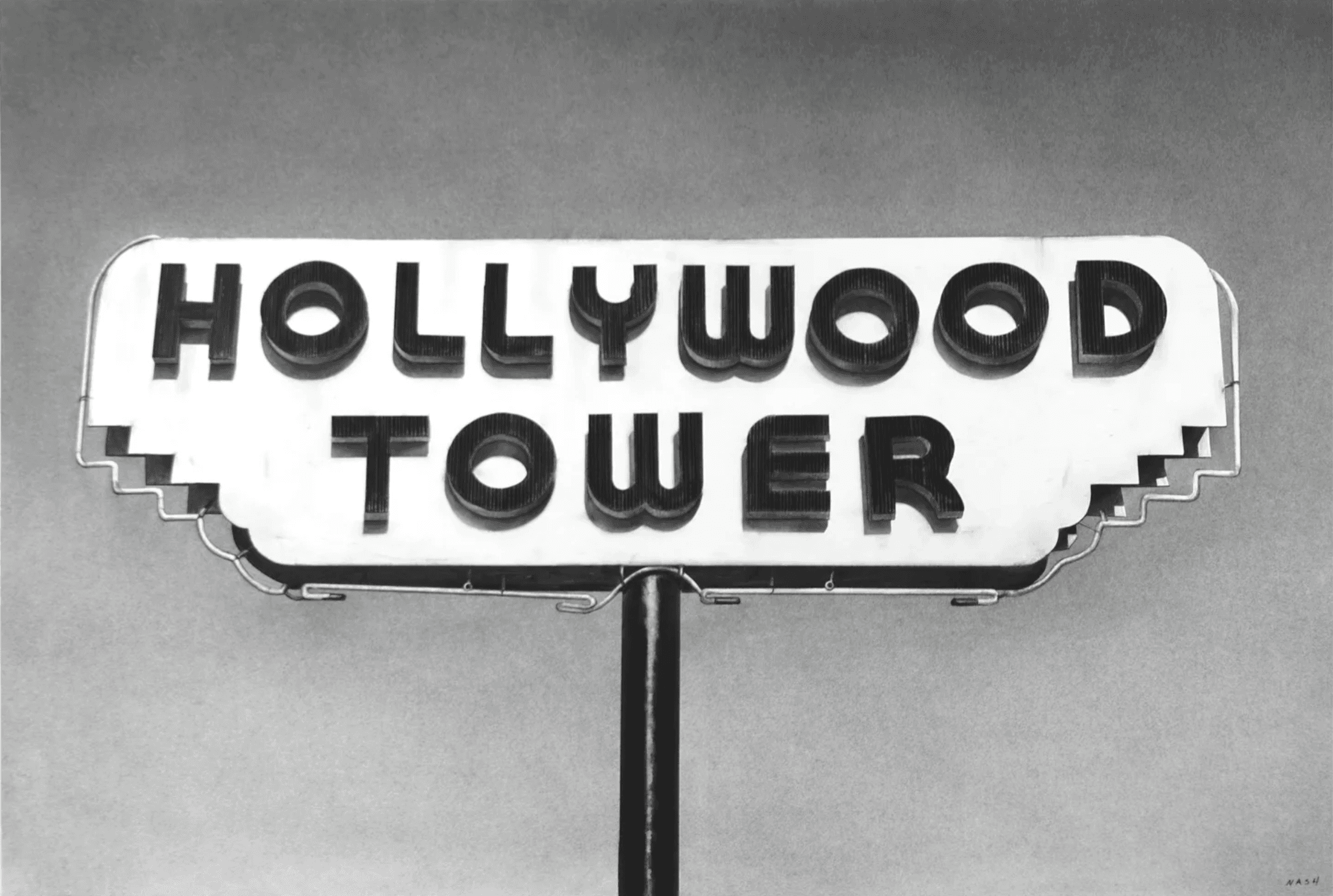
I painted my first gas station at age 14 and won a blue ribbon at the county fair. I have stuck to certain iconic imagery for decades now, and they are reflected in my series. I have just always been attracted to singular iconic imagery and signs for some reason. I think the graphic quality of them appeals to me. They hark back to pop art, they tell stories with very little information, and they seem to connect to people from all walks of life. I have always been interested in recording the landscape around me and finding those overlooked moments that somehow are beautifully simple and universal.
You now live and work in Yucca Valley, near Joshua Tree. Has living in the high desert changed how you see the city, Los Angeles, you became known for painting?
I visited the area for the first time in 1998 and immediately knew I had to live here. So in 2000, we bought a house in Palm Springs, back when it was a forlorn and dying town with very inexpensive mid-century houses, and left Chicago for a new life. Best decision ever. However, I didn't have the ability to make a living in the desert, so very quickly we moved into Los Angeles and would just come out to the house on the weekends. Los Angeles proved to be rich territory, and I really dug into LA imagery and moments, especially due to my interest in film and cinematography. I started showing art in Venice Beach, and things took off. I suddenly got all sorts of film industry collectors who loved the way I captured the city. In 2008, I moved out to the desert full-time, and my surroundings began to influence my work. Overall, I consider Southern California and The West to be my main point of inspiration. The vast, gorgeous, and sweeping landscapes, the light, the romance and danger of the desert — all of it still takes my breath away. I think as an artist you absolutely must live in a place that inspires you, whether you use it as a subject matter or not. And with social media, artists can now live anywhere, which wasn't true when I started.
Do you feel that places like Los Angeles and the Southwest encapsulate the idea and iconography of America more so than the rest of the country?
Yes, for sure. There's something about the vastness of the landscape, the freedom, the danger, and the sheer beauty of the West and Los Angeles that is particularly American. In a way, we all grew up in Los Angeles, since it was so documented constantly in movies and TV. When I visited, it always seemed so familiar and ultimately so American in its newness and hopefulness, which was the opposite of what I've experienced in the Midwest and East, which felt peaked and in many cases dying during the 1980s.
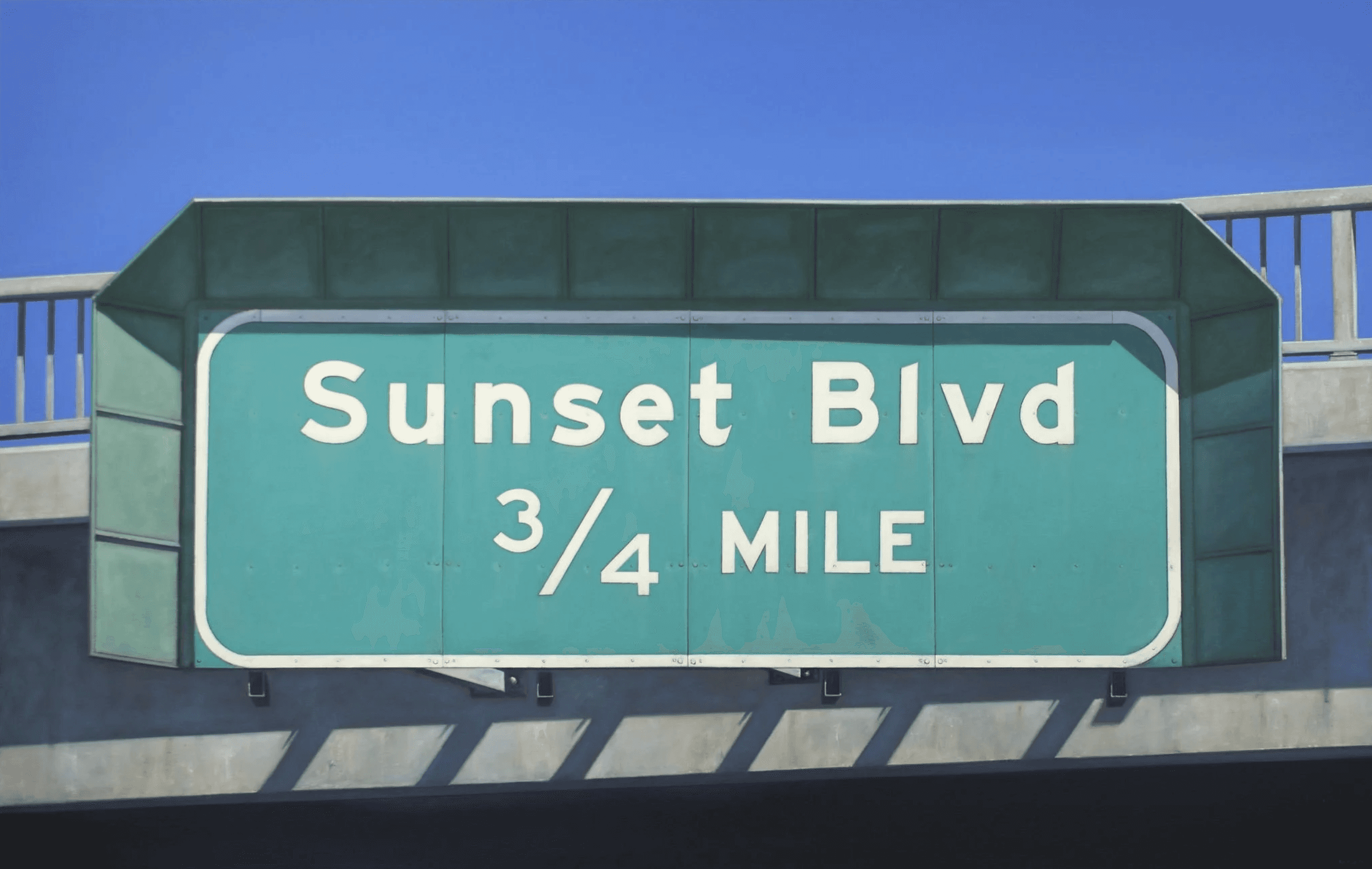
What is a typical day in the studio for you?
I try to work every day except Sunday. I start late in the morning and put in about 6 hours at least. I love the process. I love painting and drawing. It really is mental health therapy for me. It's my happiest time. As an artist, you need uninterrupted chunks of time. That is often difficult due to life's demands, but you have to shut out the world to allow creativity to blossom. If there are times I'm not motivated or want to mix it up, I go shoot photos, and that inspires me. But studio time is the best. Time flies, and you connect to something greater than yourself when you're engaged in creativity.
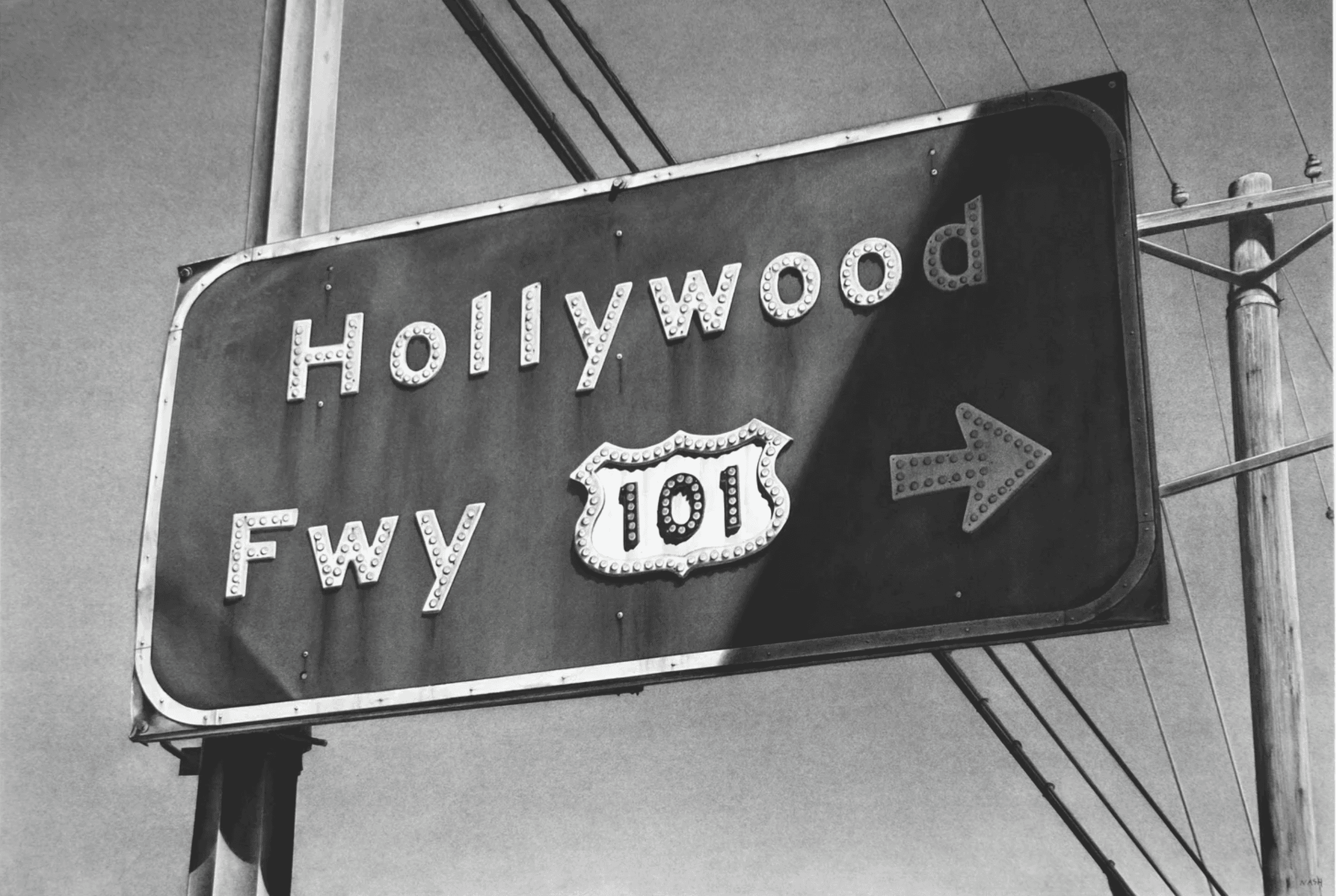
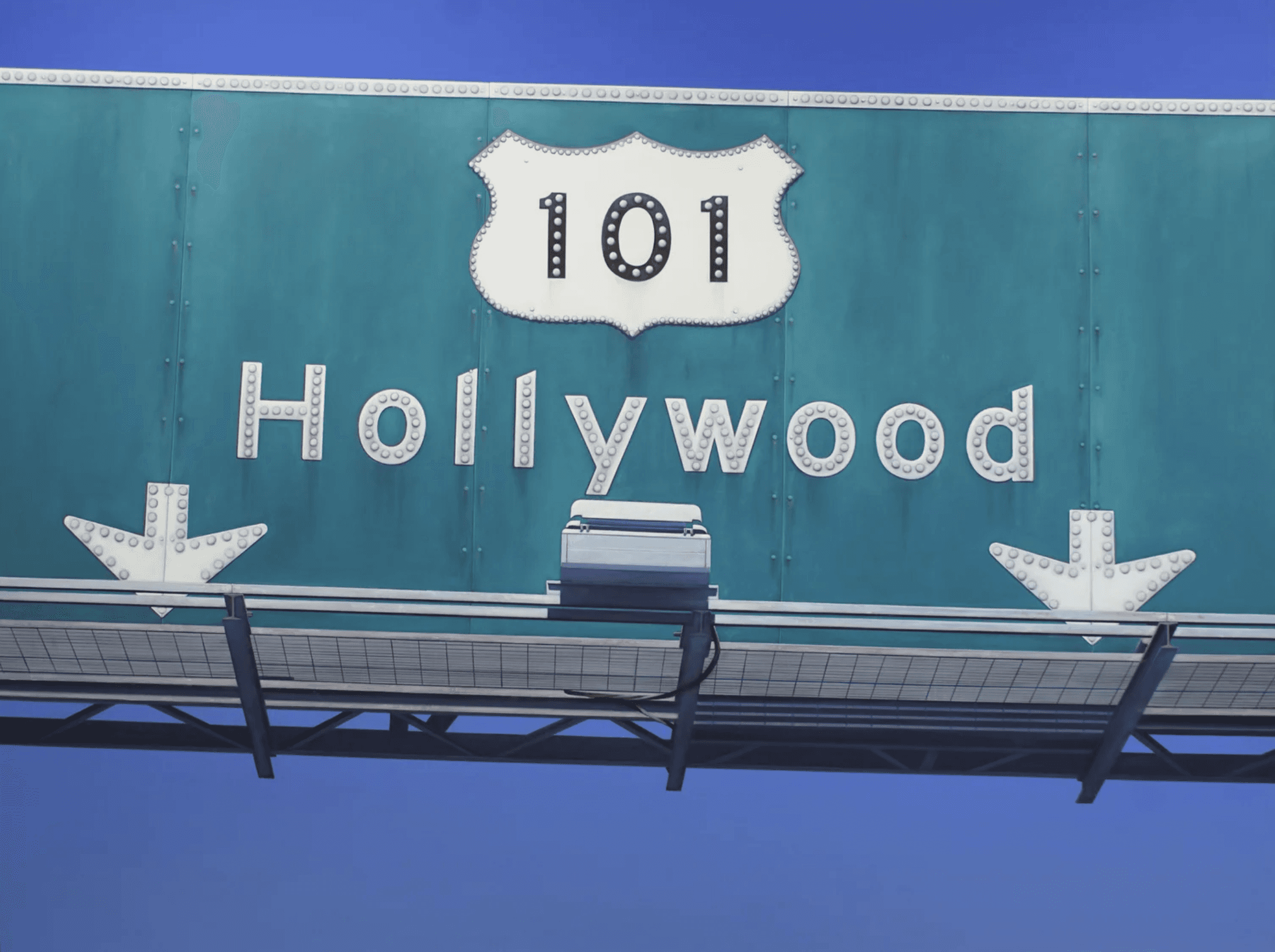
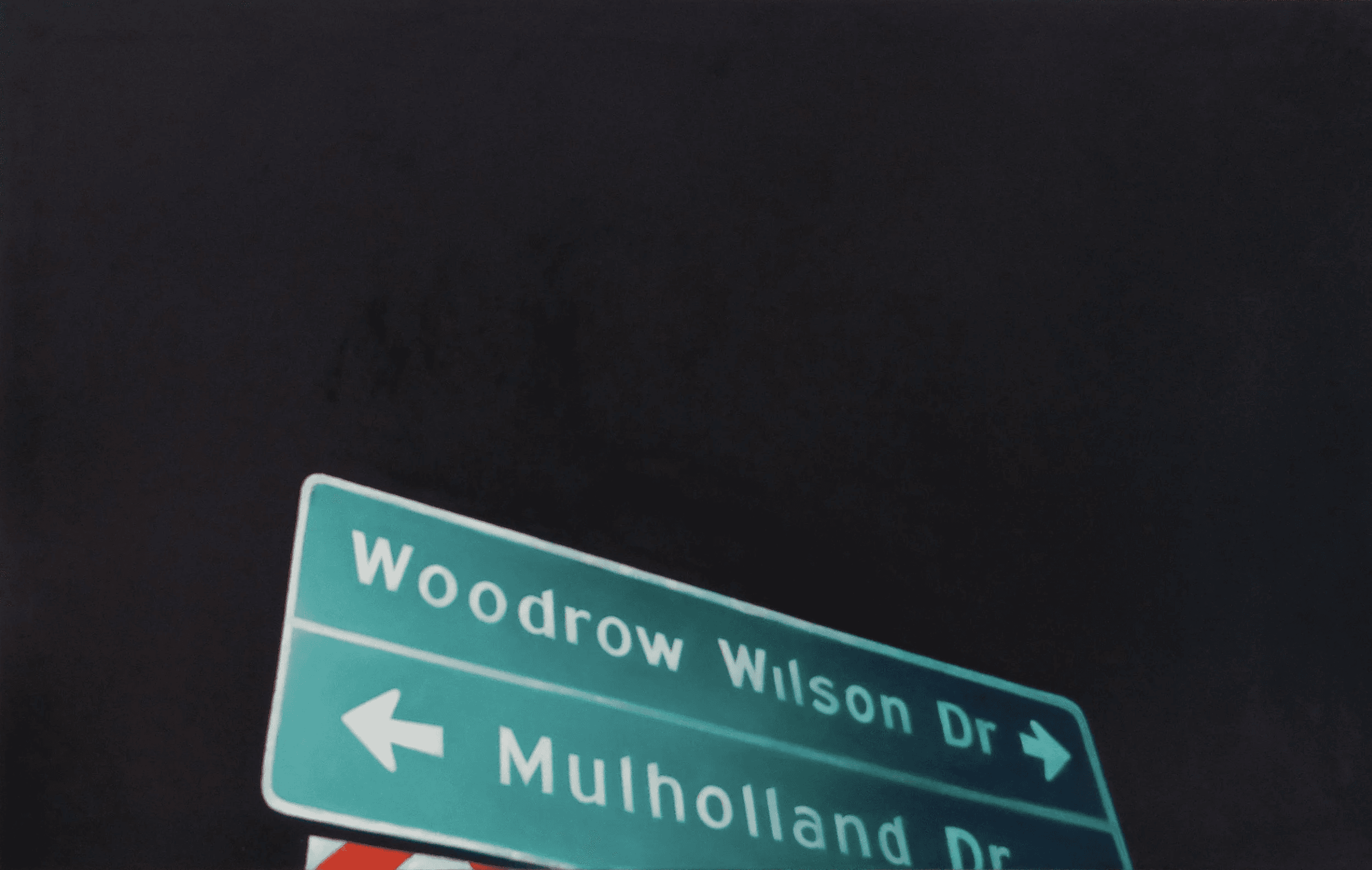
With your street signs, do you view them as Still Lifes?
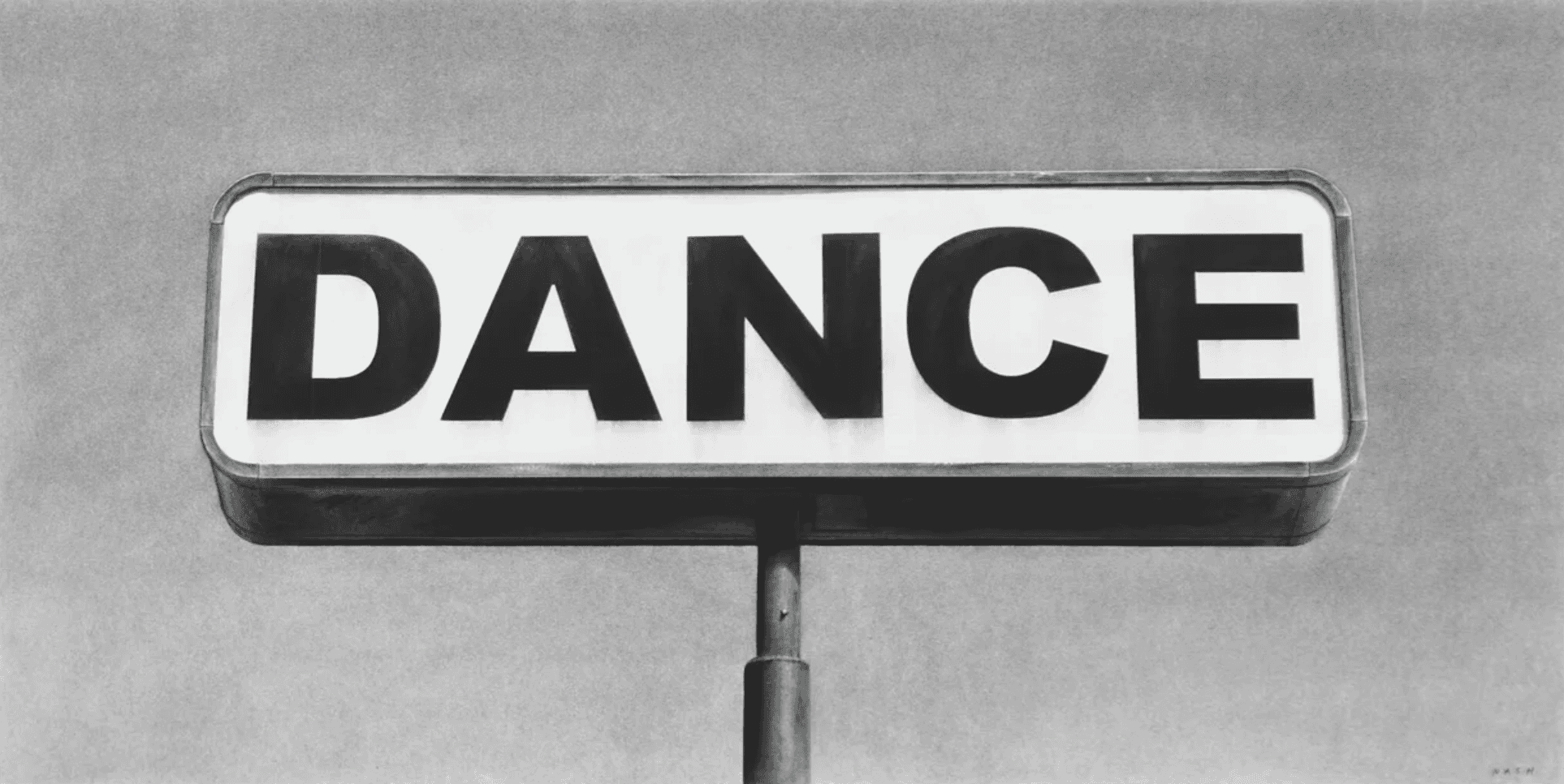
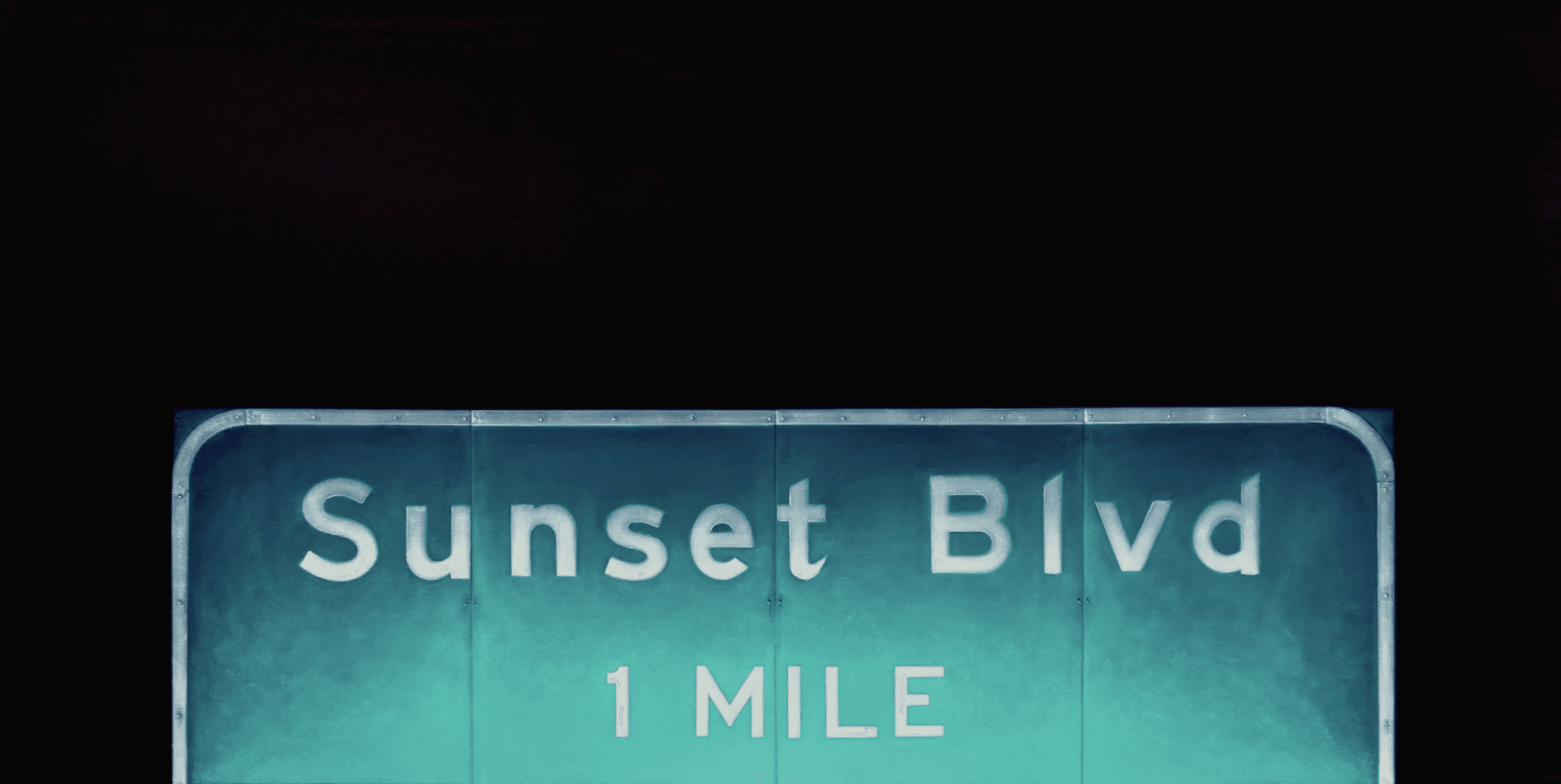
I view them as minimalistic portraits of places. By showing the name of a place on a street sign, it conjures up stories and experiences from viewers. So with minimal effect, you create a visual and emotional gateway.
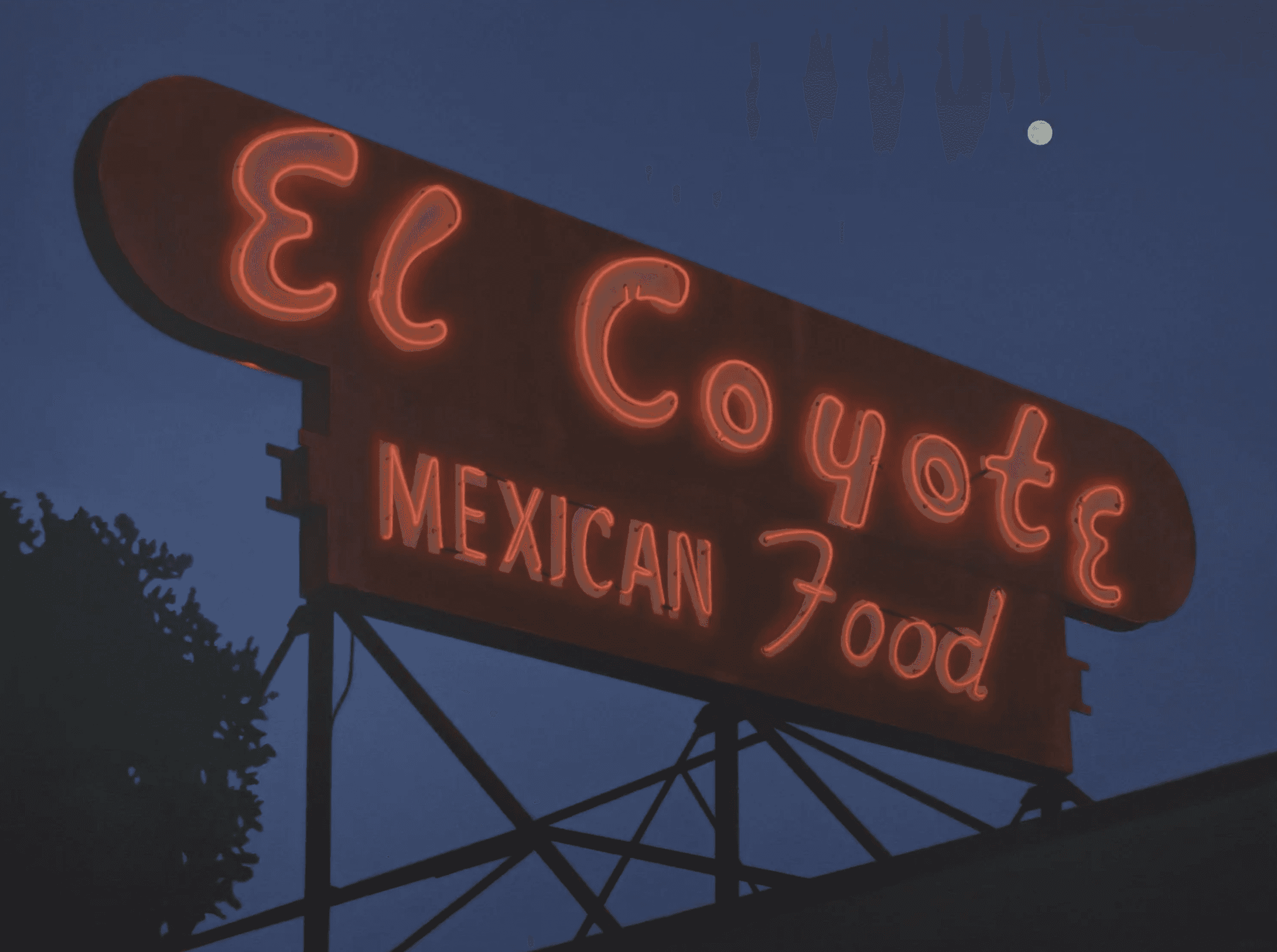
Are your street signs seen from the vantage point of someone who knows where they're going or from someone who is looking for an exit? Or something else entirely? Almost certainly, some of the locations and signs you've immortalized are now no longer there. When you go back to these locations to find what you captured is no longer there, how does it make you feel?
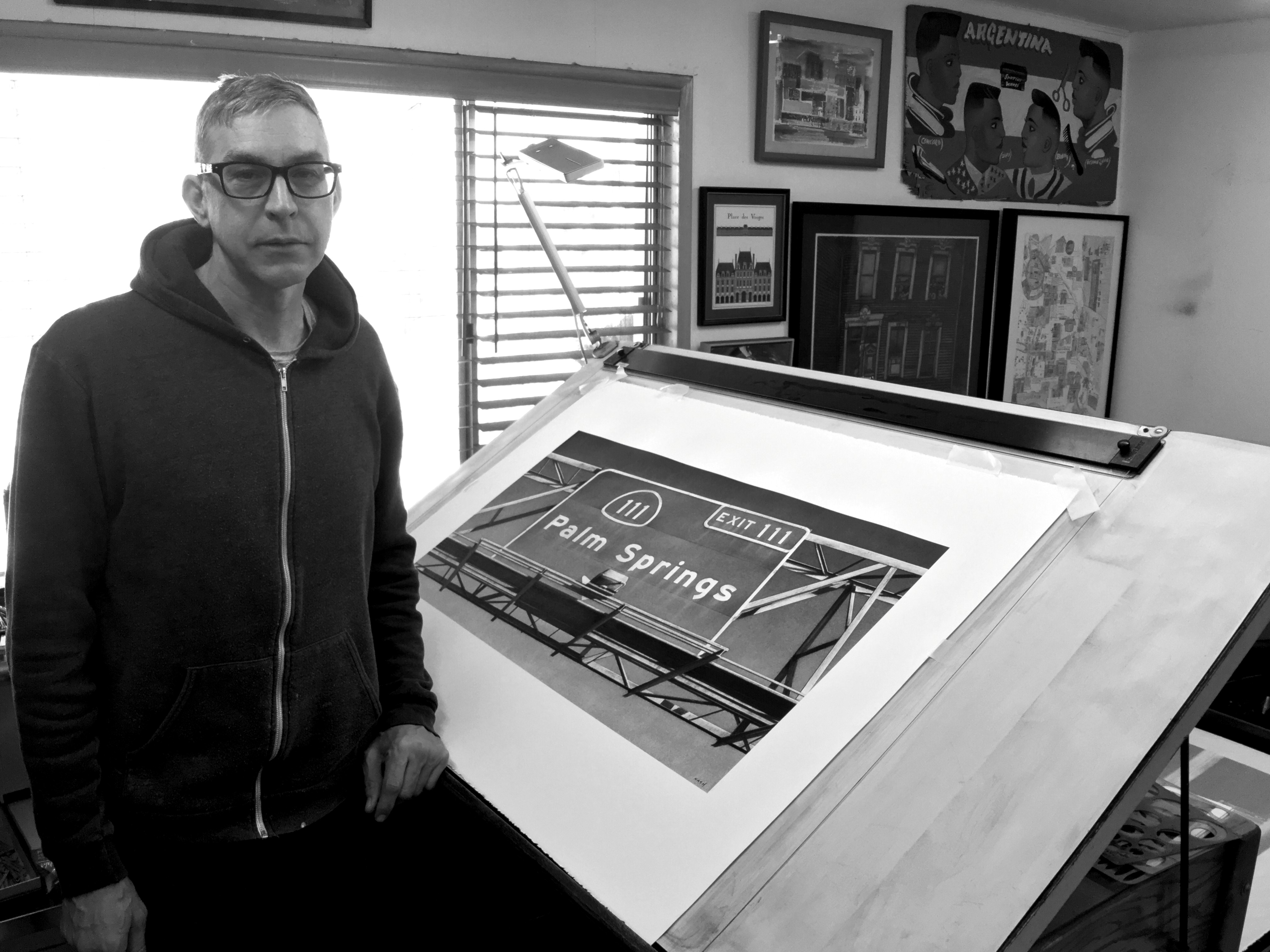
That all depends on the experiences of the viewer. When I first started painting them 25 years ago, people were very specific about only buying a painting they were familiar with, such as the exit sign they were familiar with. Over time, however, these paintings ended up all over the U.S. and Europe because they reminded people of California or Los Angeles, which, despite current negativity against California, is a well-loved and iconic place. These signs became less regional and more expansive in representing America, a car-centric, vast, and hopeful place. Pretty much everything I paint is current or recent. Signs do change or get modernized, but I only paint the present day. I have no interest in recreating the past. However, I do like things that exist in the present day that have a nostalgic or iconic quality.
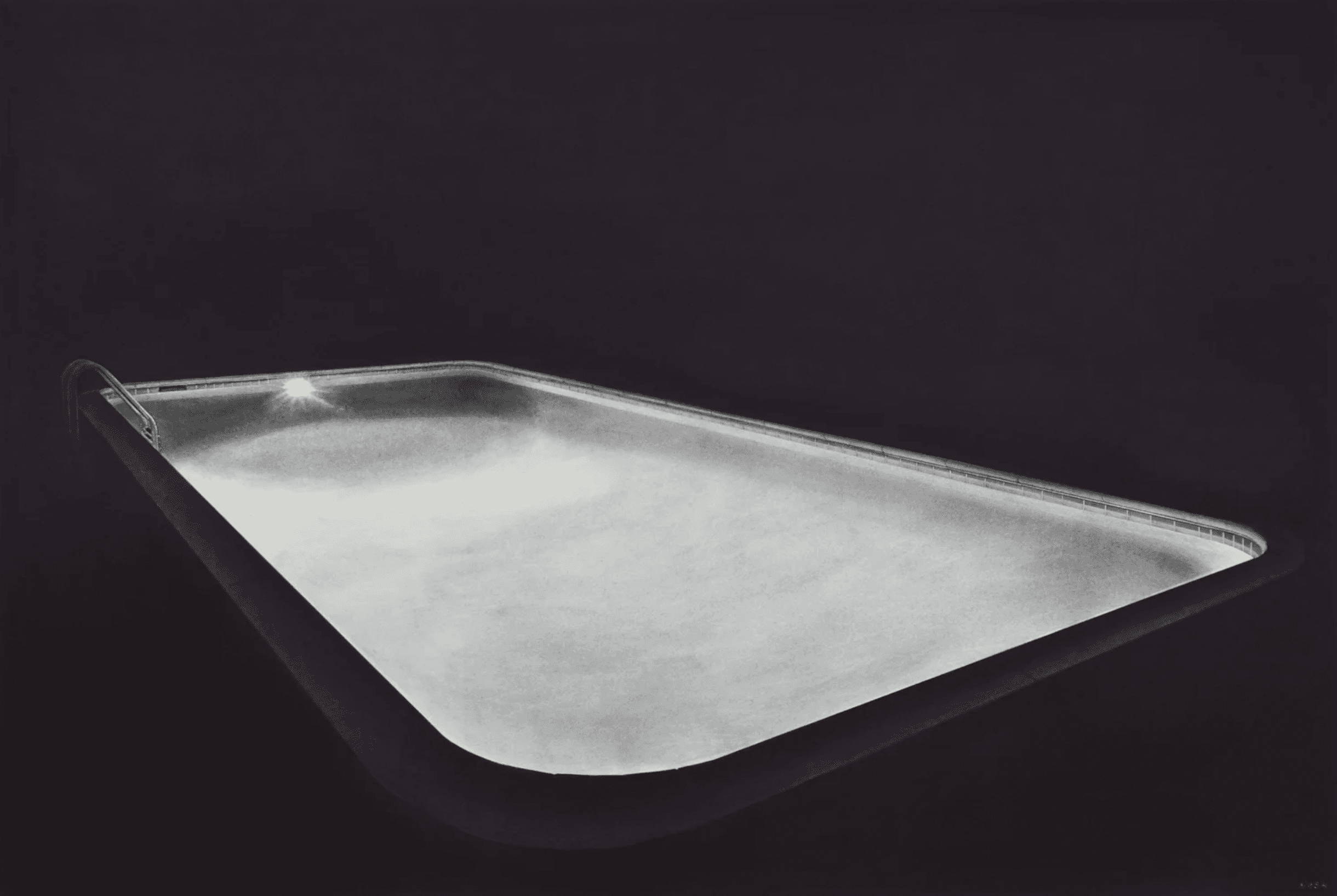
Through your artwork, do you believe you're acting as a historian or archivist?
Yes, in a way, I see myself as a documentarian. I always loved documentary films, and I am presenting a single-frame documentary film in a way.
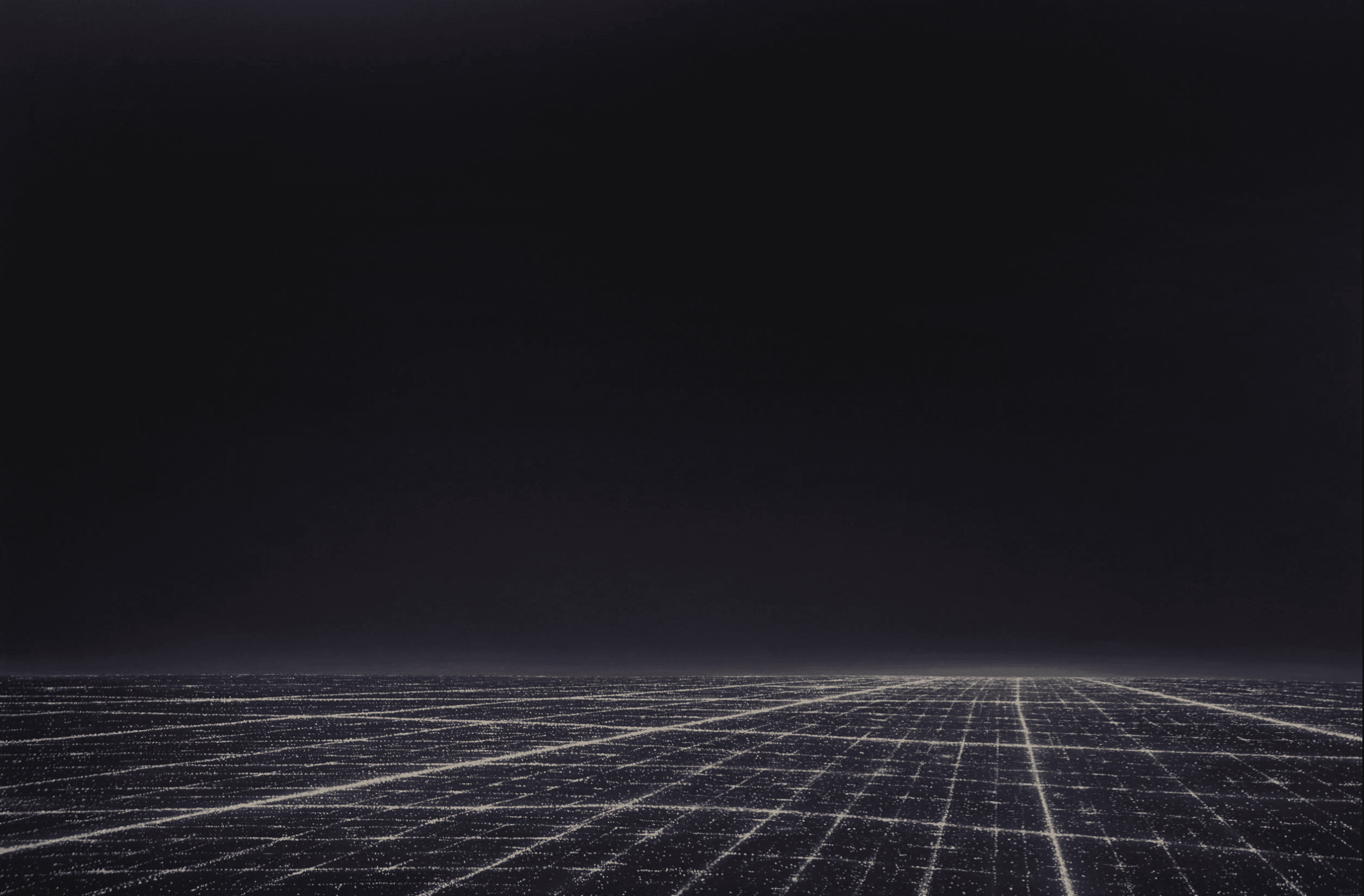
What can you tell us about your "Horizon" series?
That series had its initial inception on the flat prairie of Illinois when I was a kid. There was such drama to being able to see forever, not a tree in sight — very zen. When I came out west, especially at night, there was such an amazing and romantic beauty to the sweeping, endless landscapes. The clear air and the twinkling lights in the distance, the bright moon — all of it just inspired both small and large-scale paintings capturing moments of the simple beauty of land and sky that we all see on the road.
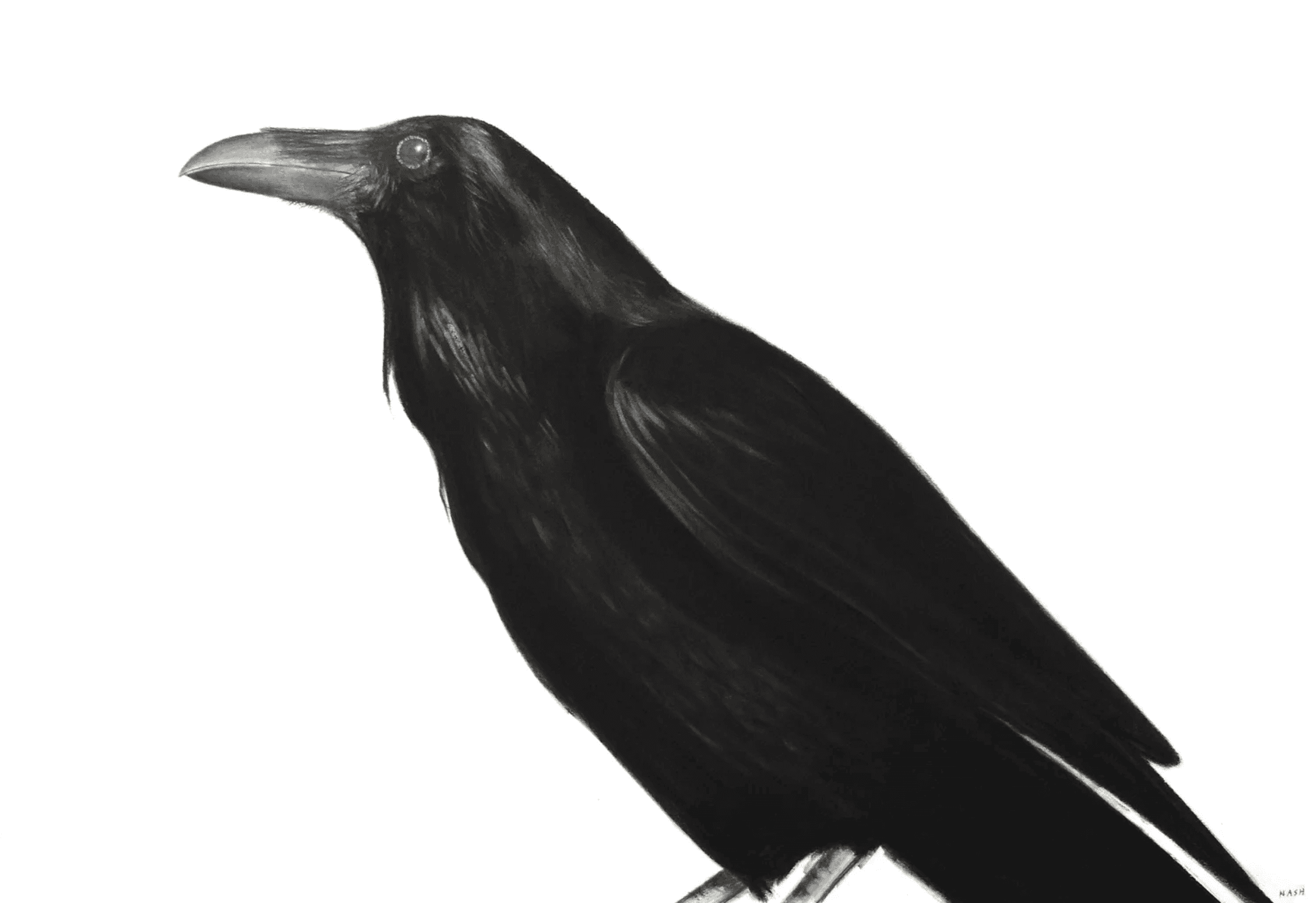
What about your "Raven" and "Skull" series?
Back in the early 2000s, in a thrift store, I came across some very skillful skull drawings by an artist named Mason Reeves. He had passed on, but his artwork relit my interest in the power of the human skull. Through legal means, I acquired a real human skull and began painting and drawing it, and in a way giving it new life. Those pieces sold like crazy. There was something about skulls in the early 2000s that people loved, especially in Los Angeles. For me, the skull is a representation of a human being without noting sex, age, or ethnicity. They are iconic and the last remaining vestige of our time on earth. They are eternal and go back to ancient art in all cultures. I adhere to the Mexican Day of the Dead ideas of what a skull stands for — both death AND life, the eternal cycle. Then in 2008, the economy crashed, and no one wanted skulls. I had always been fascinated by the ravens. They are a true symbol of the desert: the noir glossy black beauty, their intelligence, and their long history in mythology the world over. Ravens are an iconic subject similar to skulls — about nature, life, and eternity.
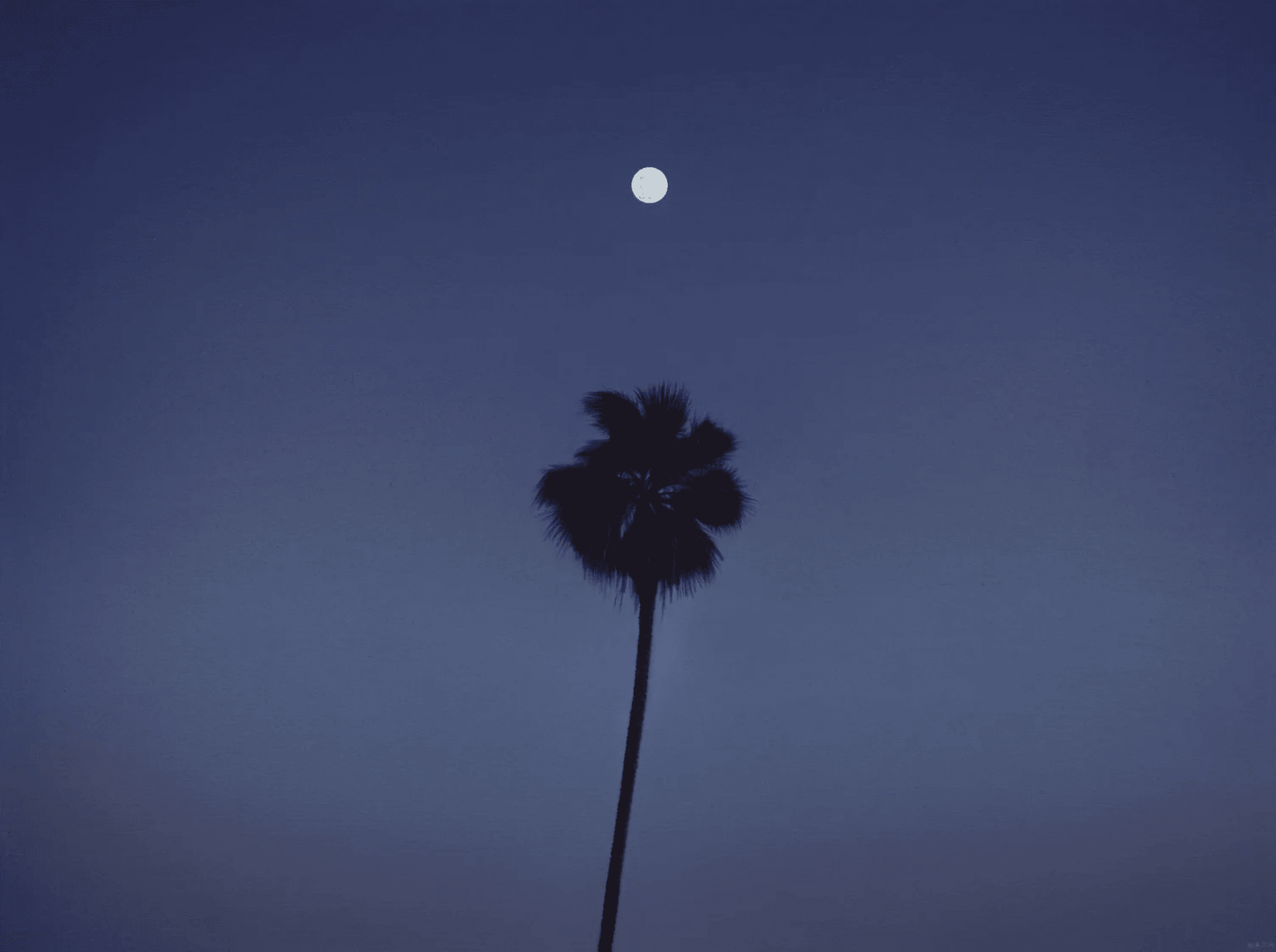
As an artist with such an incredible ability to capture the dichotomy of color and the absence of color, while also conveying so much feeling and narrative through you work; what do you think would be a difficult subject for you to get right?
I like things that are direct and simple, and I like the contrast of light and dark and the feelings they conjure. As far as a difficult subject, I'm not really afraid of any subject. I'm capable of rapid and loose painting and drawing or tight and specific technique. What's difficult is not having fear and just doing the art you want to do versus what works in the marketplace. But if you follow your own path, others will come along.
Let's talk a bit more about your nocturnes. Do you remember your first night scene that you created?
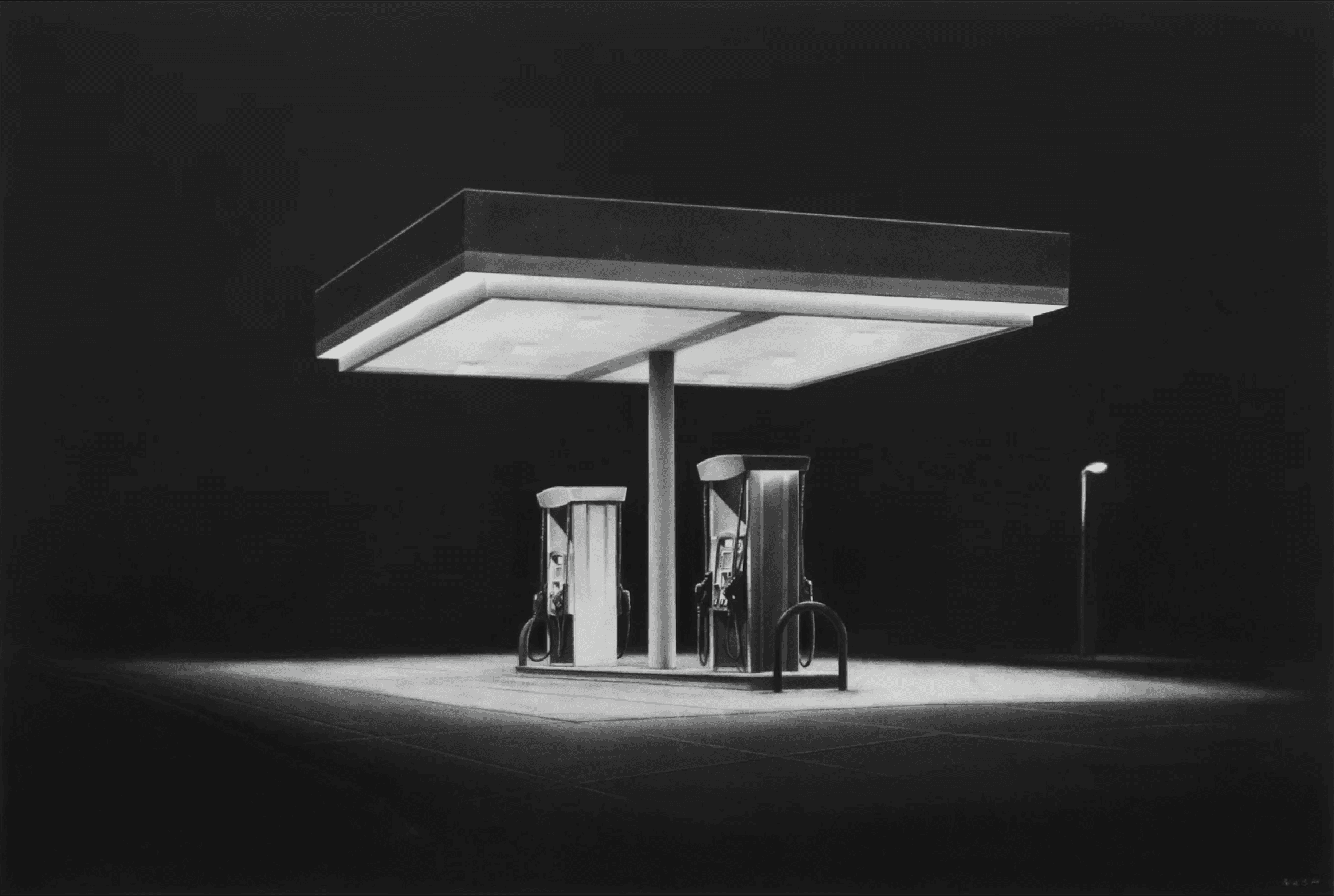
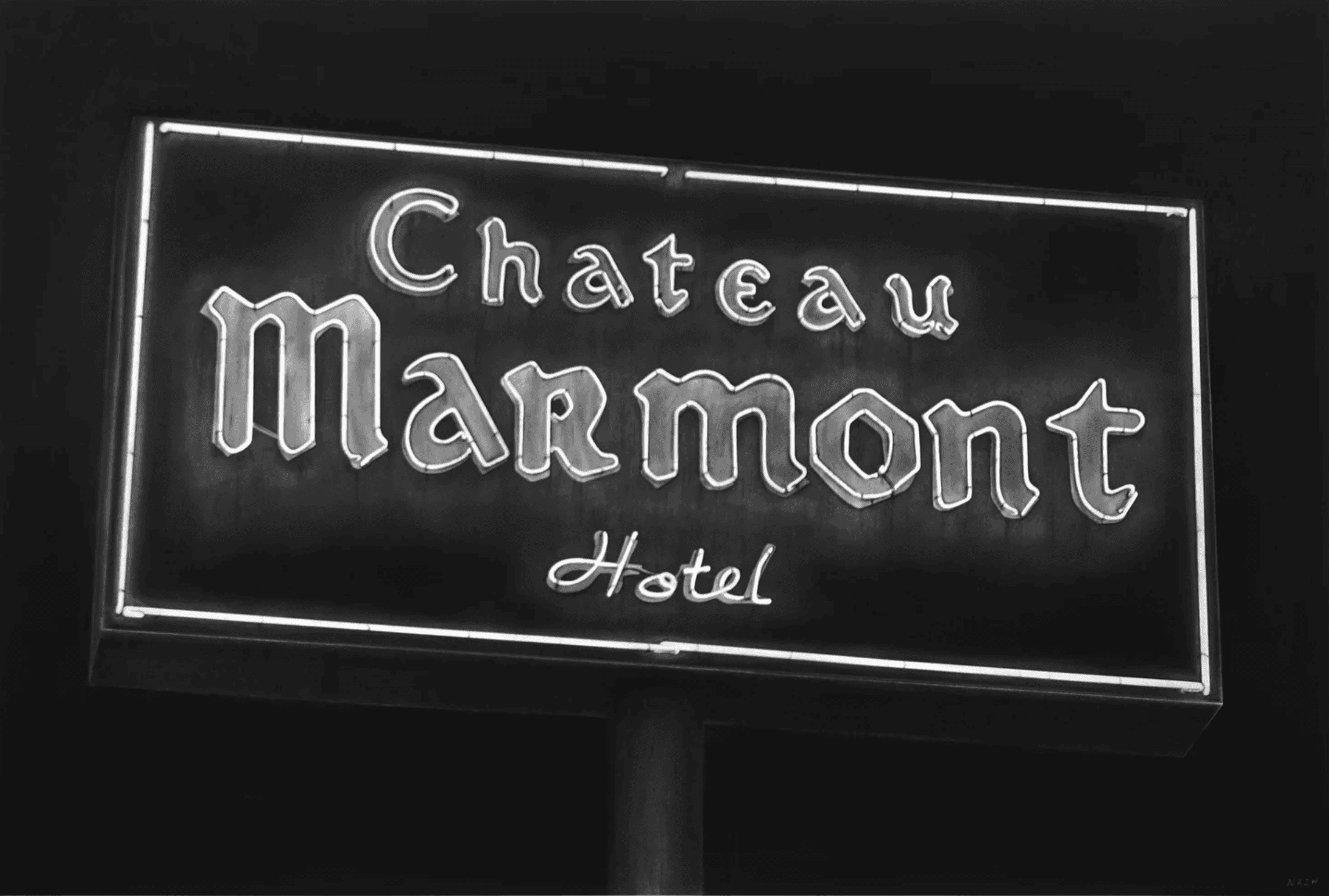
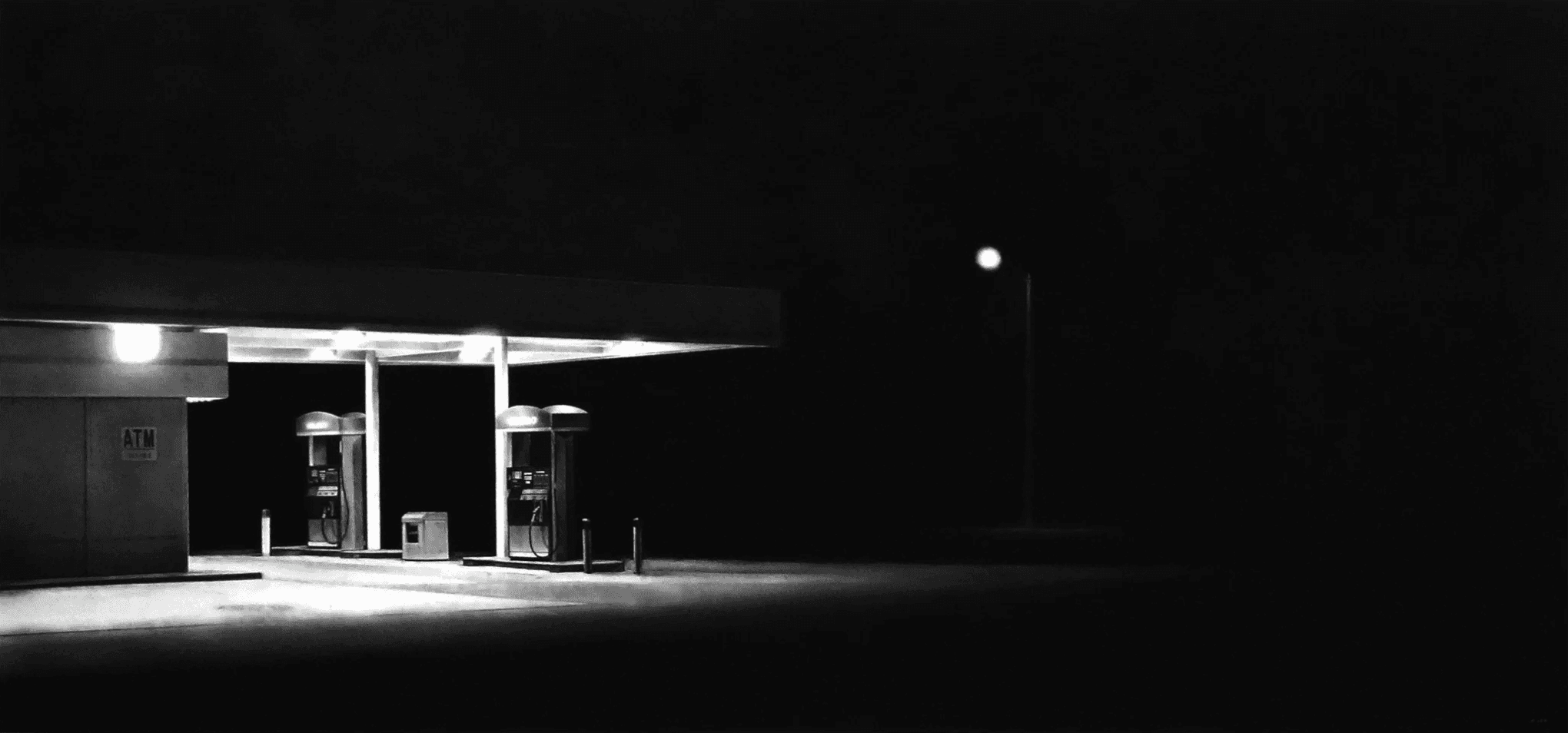
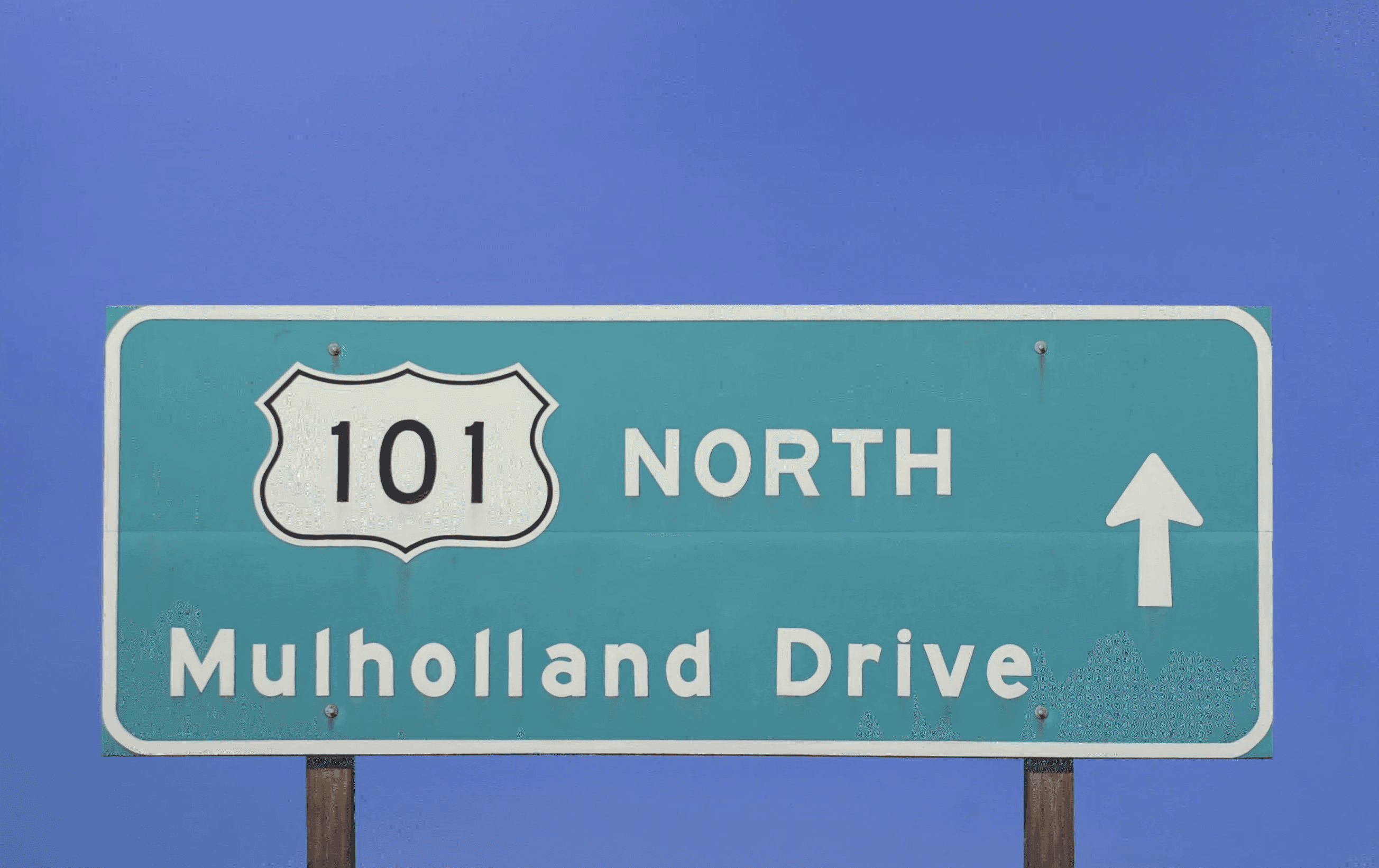
I have always loved the night and how quiet it is. I would spend a lot of late nights by myself working or wandering around empty towns. I just loved that feeling of no one bothering me. But I also loved it visually — the moodiness and romance of the night. I started night scenes about 20 years ago exclusively in charcoal — an obvious choice to express night with its deep, rich blacks contrasting against white paper for the drama of light. There's just such power to this contrast and the pared-down simplicity of night.
Did you set out with an idea to create a series of nocturnes or did the body of work develop naturally overtime?
They just naturally developed over time, and then, when I moved out west and seeing the distant lights in the vast and clear western landscapes all alone out in nature — it was just so romantic and lonely.
And what can you tell us about your most recent solo exhibition, "California Noir," at Skidmore Contemporary Art?
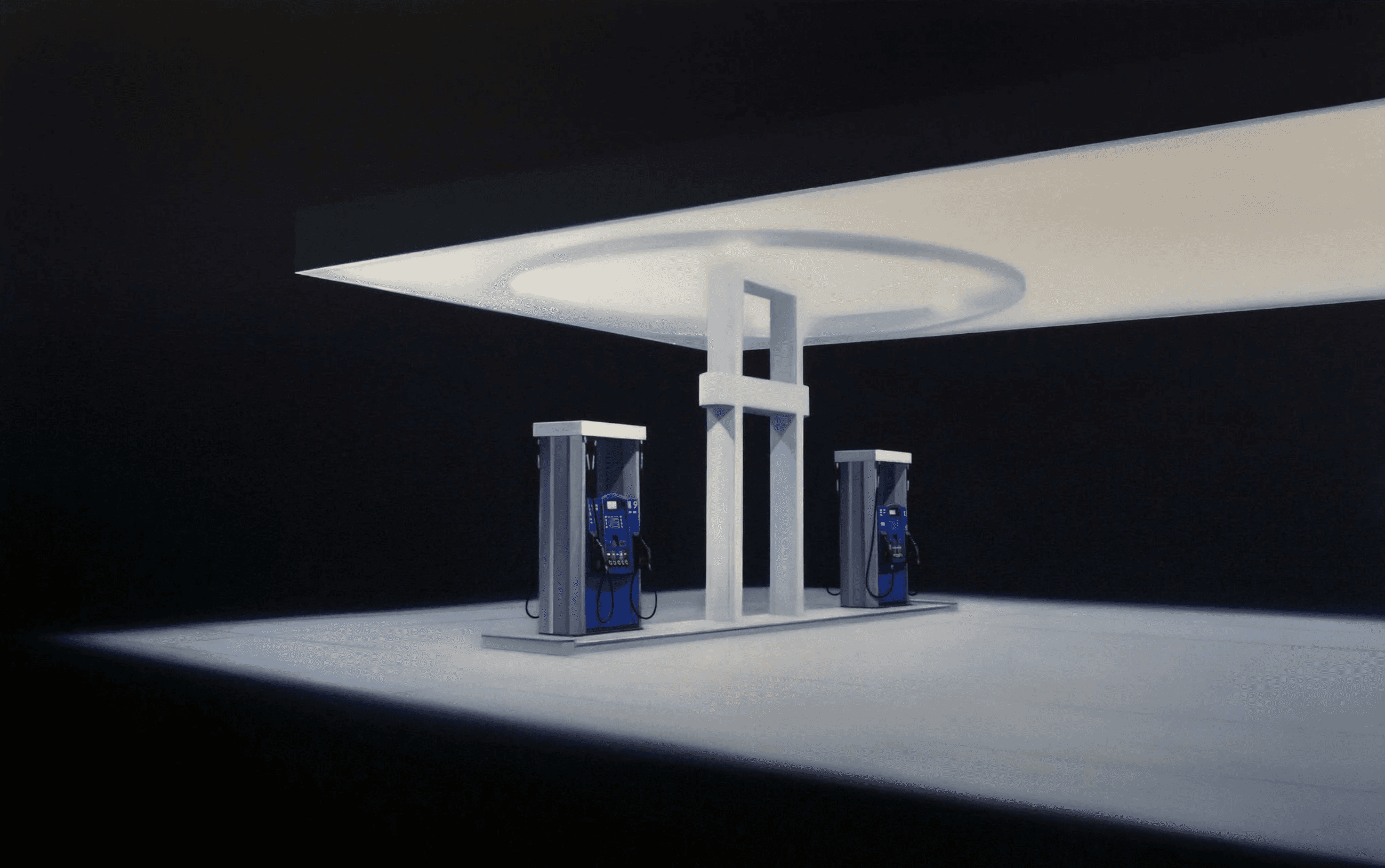
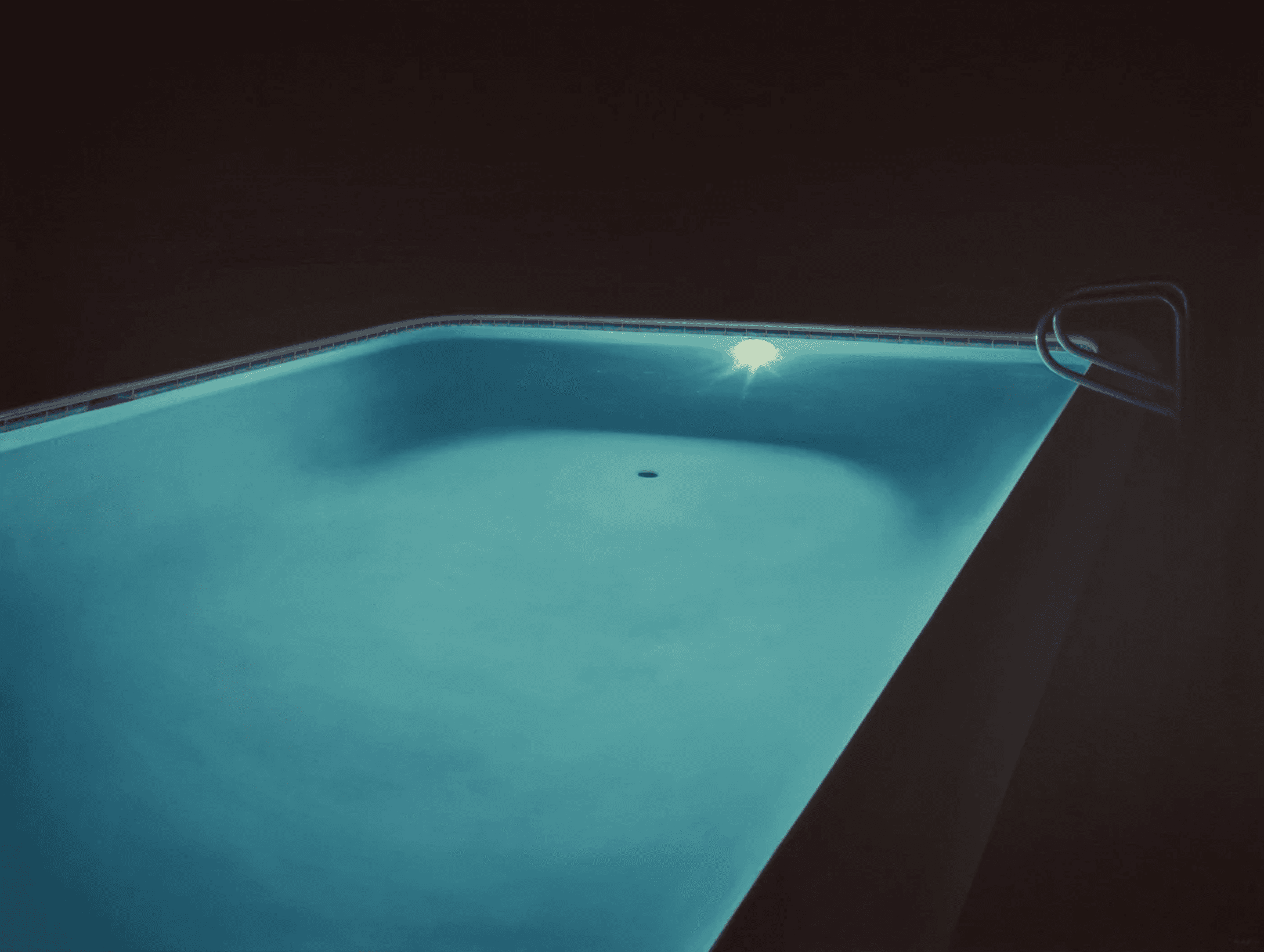
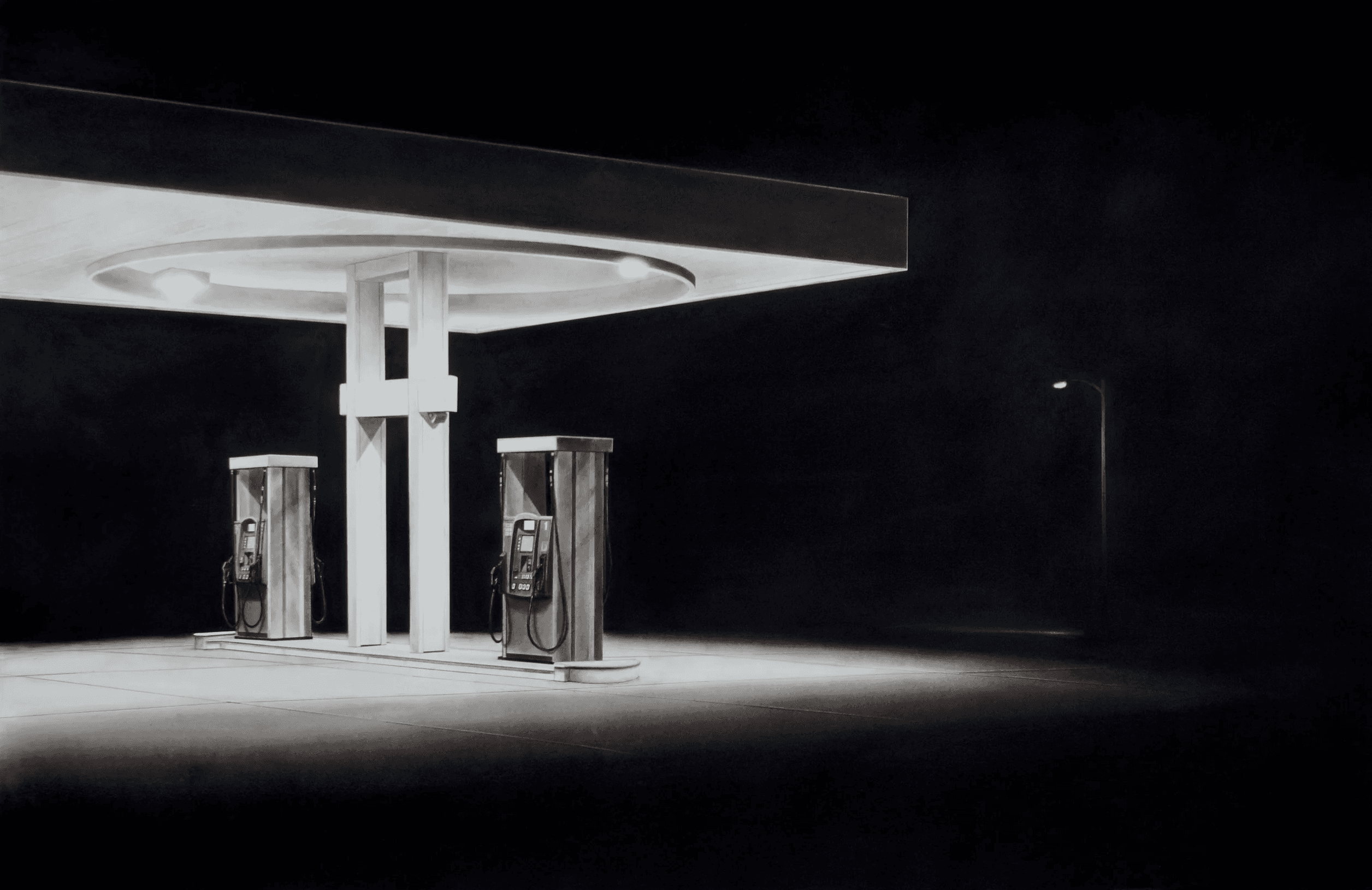
I see these paintings and drawings almost as film stills or establishing shots in a movie about Southern California — a pool or gas station at night, for example. The sense there's a bigger story behind each image, and one that maybe the viewer can conjure up from their own experiences.
Where did the idea of "California Noir" begin to develop and how do you define it personally?
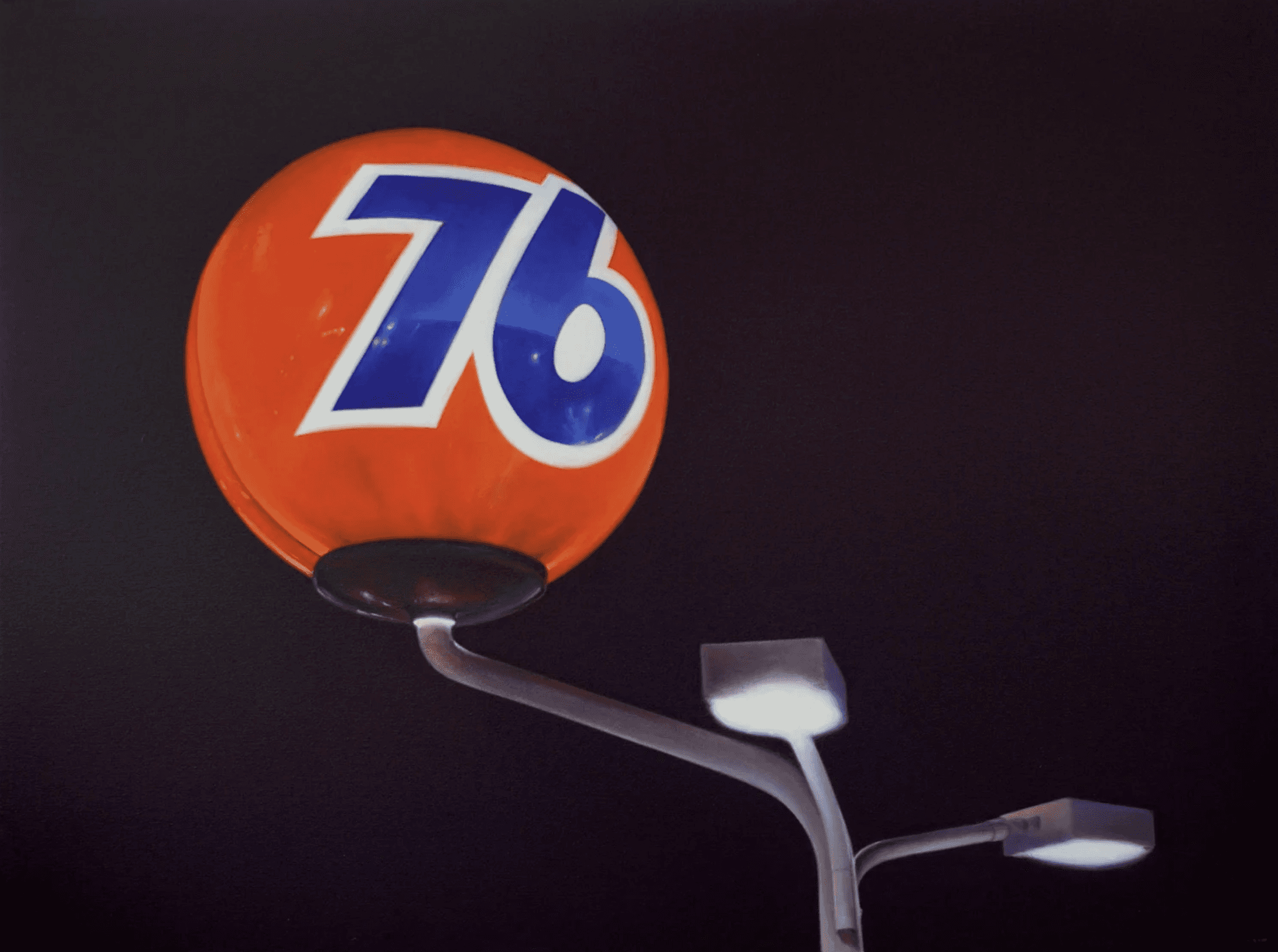
I've always been interested in the idea of noir — of mystery and darkness even within the beauty of sunlit Southern California. There's a rich history of film noir in Los Angeles. The open, lonely, vast quality of the California landscape seems very noir.
What are a few of your favorite Film Noirs?
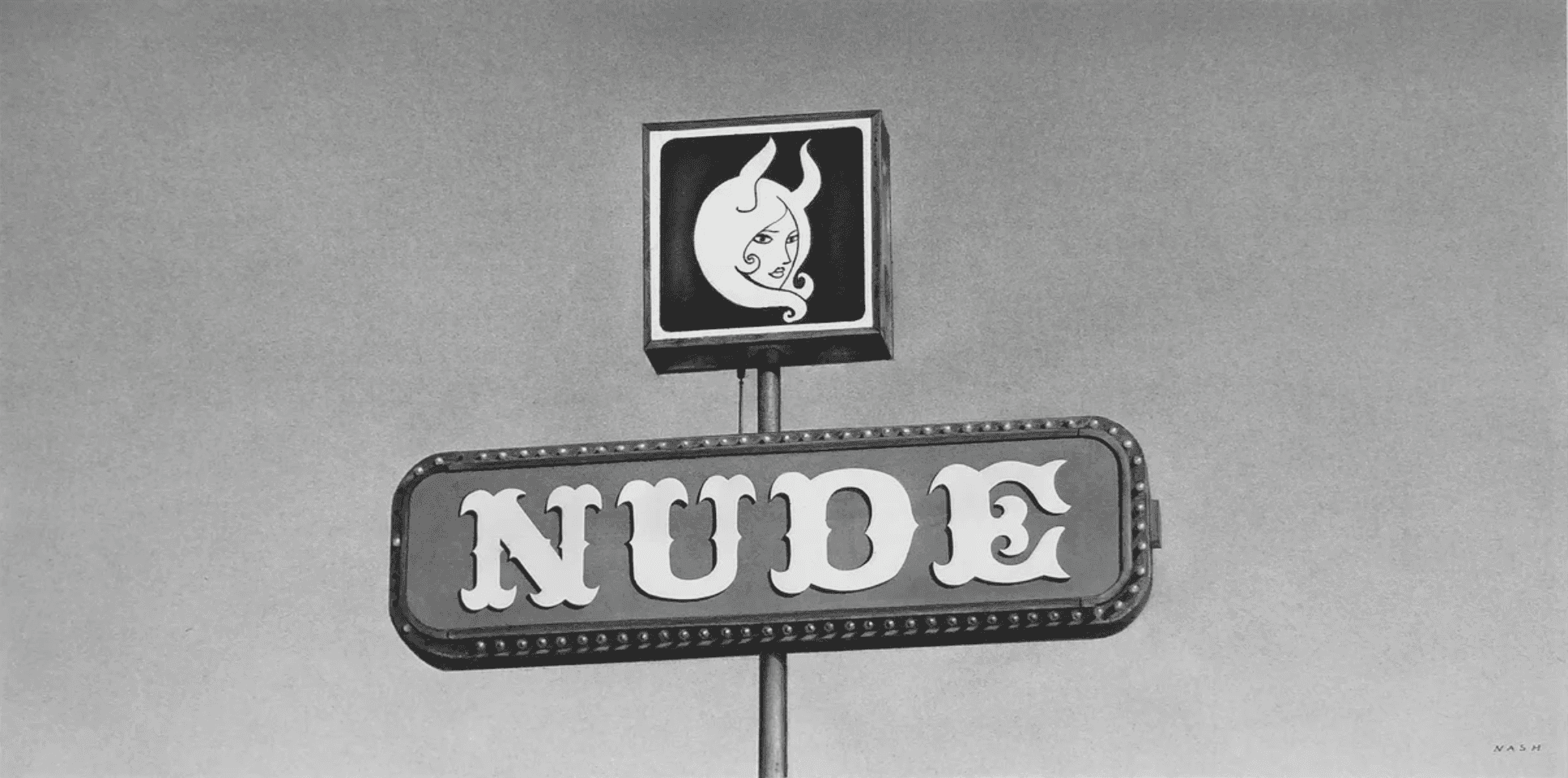
Blue Velvet by David Lynch, which I saw at least 8 times in the theatre when it was first released. While it's not a traditional Film Noir film, it just absolutely makes the ordinary seem mysterious and unknown — the sense that anything can happen and will. He captures the night in a small, anonymous town and the quirky people who inhabit it so well. Also Twin Peaks, David Lynch's stunning and radical TV series in 1990, which no one had ever seen anything like before. It was not a movie, but very much film noir and mind-bending, but all taking place in an ordinary American landscape.
Do you know what happens immediately after or before the moment you've captured? Do you have entire stories for each work and, if so, is each work in the same story, so to speak? For example, speaking of Noir, is there a hard-boiled detective right out of view following a case?
Yes, I pretty much always know when I have a photo that will be turned into a painting. I call it "the money shot" — something that reminds me of an establishing shot from a film. Something simple and direct but with depth. Something that indicates the beginning of a story and one that any viewer might hop into or remember through an experience.

Do you know what happens immediately after or before the moment you've captured? Do you have entire stories for each work and, if so, is each work in the same story, so to speak? For example, speaking of Noir; is there a hard boiled detective right out of view following a case? Are you the detective?
Well, that's up to the viewer. I have my own ideas, but I like others to create those stories. That's a big part of my work — feeling like you're there, that it's a memory or a dream or familiar moment that anyone can relate to. It's less about a detective and more about real people experiencing real moments that I've plucked out of the visual noise and hopefully somehow have noted and made iconic or memorable.
Have you ever had anything crazy or bizarre happen while photographing reference material?
So many times when alone at night in Los Angeles or Las Vegas or Palm Springs, you'll encounter someone who is suspicious of what you're doing. "Why are you taking photos of this gas station?" they might ask. Or people who feel threatened by thinking I'm taking photos of them for some reason. Having spent 15 years in Chicago and walking around at night in edgy areas, I'm very aware of my surroundings and the dangers of being alone at night, especially in urban areas. But I have never had one single negative interaction the minute I say I'm an artist and explain what I'm doing, or pull out my phone and show them my Instagram. Then even the most suspicious person lightens up, and we have a positive encounter and a conversation. There is real, authentic power and love in art, and pretty much everyone seems to get that.
But I will say, one time I found a newborn baby in a Crate and Barrel shopping bag out by itself at the bottom of some steps into a church on a late, lonely, cold November night in Chicago. An attached note said it had been born that morning and, strangely, his middle name was the same as mine. He was wrapped tight in a blanket with only his little head popping out and extra diapers at the bottom. I looked into the bag and could not comprehend what I was seeing. This was in the pre-cellphone days, so I quickly got it together and found a phone and called 911. I often wonder if that moment was a big part of why I exist — to have been at the right place at the right time to save that baby from dying alone that frosty Chicago night.
You mentioned finding Mason Reeves' work in a thrift store. Where do you hope the future finds your work?
My goal has always been to get paintings and drawings into people's hands — those who love and respond to the work. I purposely have series that are less costly for this reason. I've been lucky to have great art dealer partners and many collectors worldwide who hang on to the work. As for the future — who knows — maybe families keep it after the original collector passes, or it ends up at auction or even a thrift store in some cases. That's the nature of art — a masterpiece ends up in an attic or a junk store only to be rediscovered. That's kind of fun too.
SHARE THIS ARTICLE
Previous Post:
Next Post: